What Dog Breath Reveals About Your Pet’s Health


What Dog Breath Reveals About Your Pet’s Health
If you’ve ever found yourself wrinkling your nose when your dog comes in for a cuddle, you’re not alone. “Dog breath” is a common concern for pet owners in Jacksonville and surrounding communities, and while it’s easy to dismiss as a normal part of sharing your home with a pup, persistent bad breath can actually be a sign that your dog’s health needs closer attention. At Merrill Animal Clinic, located at 7530 Merrill Road, Jacksonville, FL 32277, we know how important fresh breath and good oral hygiene are—not only for your comfort, but for your pet’s overall wellbeing. In this blog, we’ll explore what causes dog breath, when it signals something more serious, and how you can keep your dog’s mouth healthy at home and with the support of our veterinary team. If you’re worried about your dog’s breath, or you’re simply curious about how to maintain their oral health, you’ll find plenty of helpful tips and answers here.
Recognizing Dog Breath: When Should You Be Concerned?
Every dog has their own unique scent, but when the odor from your dog’s mouth goes beyond the occasional whiff and becomes a constant presence, it’s time to pay attention. Typical dog breath is usually mild and may come and go, especially after meals or playtime. However, persistent bad breath, sometimes described as sour, rotten, or metallic, can indicate an underlying health issue that shouldn’t be ignored.
Key signs that your dog’s breath may be signaling a problem include a persistent foul odor, noticeable changes in how your dog eats or chews, visible swelling or redness in the gums, or your dog pawing at their mouth. Additionally, if you notice that your dog is hesitant to eat crunchy foods, drops food while eating, or suddenly prefers soft foods, these are all signs that something more is going on than just typical “dog breath.” Sometimes, you might also observe bleeding from the mouth, excessive drooling, or visible buildup of yellow-brown tartar along the gumline. It’s important to monitor these symptoms and consider a professional dental health evaluation at the first sign of trouble.
Why Does Dog Breath Happen? Understanding the Causes
Dog breath can be caused by a range of factors, from harmless to more serious. The most common cause is a buildup of bacteria in the mouth, often due to food particles left behind after meals. Over time, these bacteria combine with saliva to form plaque, which can harden into tartar if not removed. This process leads to gum inflammation, known as gingivitis, and eventually to more advanced periodontal disease if left unchecked.
Other factors contributing to bad breath include dietary habits, such as eating table scraps or scavenging outside, as well as certain dog treats or chews that may leave lingering odors. Dogs who have a habit of chewing on non-food items or exploring the yard with their mouths are also at greater risk for developing unpleasant breath.
Beyond oral hygiene, systemic health issues can also be at play. Conditions such as diabetes, kidney disease, or gastrointestinal problems can all influence the smell of your dog’s breath. For example, a sweet or fruity odor may be a sign of diabetes, while a strong ammonia-like scent could point to kidney issues. Because these are serious health concerns, it’s always wise to consult with our veterinary professionals if you notice sudden or dramatic changes in your dog’s breath.
Professional Solutions: How Veterinarians Address Dog Breath
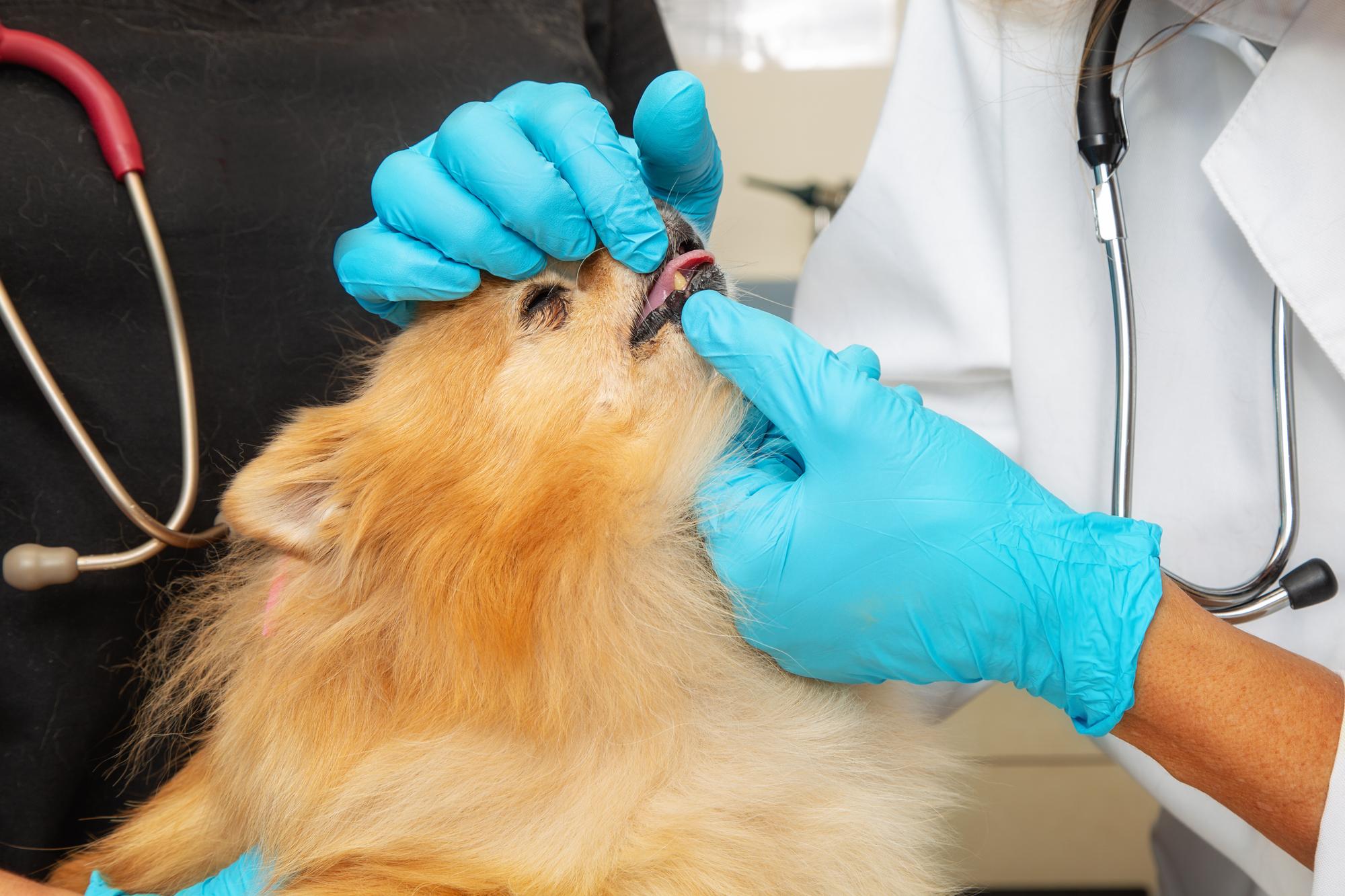
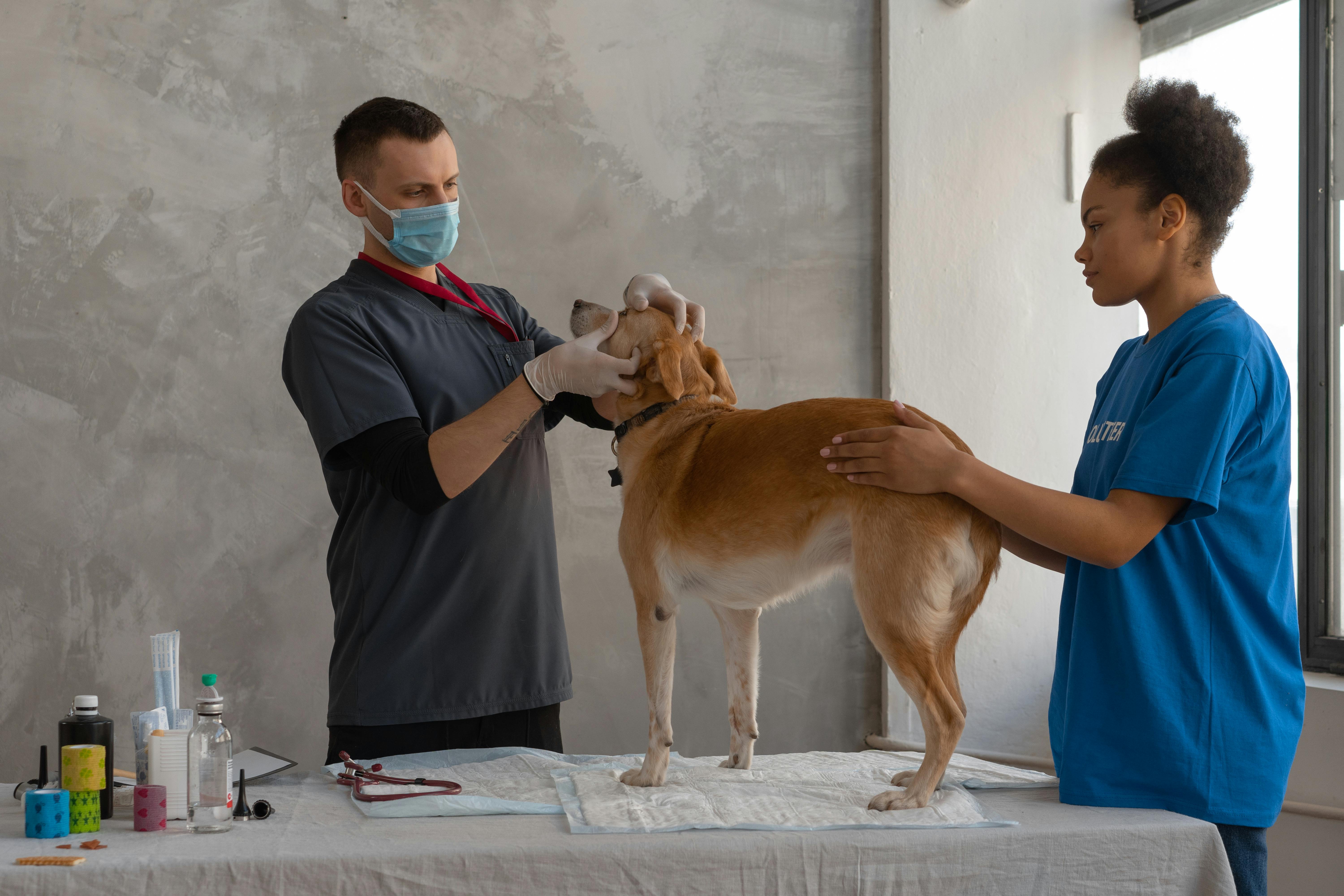
When you bring your dog to Merrill Animal Clinic with concerns about dog breath, our first step is a thorough oral examination. During this visit, our veterinarians assess your dog’s teeth, gums, and overall mouth health for signs of dental disease, infection, or other abnormalities. Depending on what we find, we may recommend a professional pet dental cleaning to remove plaque and tartar that brushing at home can’t reach.
In some cases, dental radiographs may be necessary to look for issues below the gumline, such as abscesses or bone loss. Our practice offers dental radiography services to ensure we get a complete picture of your dog’s oral health. If advanced dental disease or damaged teeth are found, procedures like pet tooth extractions or even oral surgery may be discussed to relieve pain and prevent infection from spreading.
Treatments are always tailored to your dog’s individual needs and comfort, and our team will walk you through each step, from pre-anesthetic bloodwork to post-procedure care. Addressing dental issues not only improves your dog’s breath but also supports their whole-body health, since oral bacteria can affect organs like the heart and kidneys if left untreated.
Preventing Bad Breath: What Pet Owners Can Do at Home
Prevention is key when it comes to managing dog breath and maintaining your pet’s overall health. One of the most effective steps is regular tooth brushing with a toothpaste formulated specifically for dogs. Aim to brush your dog’s teeth daily or at least several times a week; this helps prevent the buildup of plaque and tartar that lead to bad odors.
In addition to brushing, offering dental chews, toys designed for oral health, and a balanced diet can help keep your dog’s mouth cleaner between veterinary visits. Always choose products approved by the Veterinary Oral Health Council (VOHC) for best results, and avoid giving your dog bones or hard treats that could crack their teeth. Routine dental health checkups are another essential part of prevention. During these visits, our veterinarians can spot early signs of dental disease and recommend appropriate interventions before problems become severe.
Fresh water should always be available, as it helps wash away food particles and bacteria. Keeping your dog’s food and water bowls clean, reducing access to garbage or non-food items, and monitoring for any changes in eating or chewing behaviors are all simple steps that can make a big difference in your dog’s breath and long-term health.
When to Schedule a Veterinary Visit for Dog Breath
While occasional mild dog breath is common, certain signs mean it’s time to schedule an appointment with our veterinary team. Persistent foul odor, visible tartar, inflamed or bleeding gums, difficulty eating, or any sudden changes in your dog’s breath should always be evaluated by a professional. Additionally, if you notice systemic symptoms like vomiting, diarrhea, excessive drinking, or changes in urination, these can be signs of underlying health issues that require prompt attention.
Early detection and treatment of dental disease can prevent more serious complications, such as tooth loss, chronic pain, or infections that spread to other organs. During your dog’s next wellness and preventive care exam, be sure to mention any concerns about their breath or oral health so we can provide targeted recommendations. Our goal is to help every pet in Jacksonville and surrounding communities enjoy a happy, healthy life—free from the discomfort and risks of untreated dental issues.
Your Partner in Canine Dental Health
Dog breath may seem like a minor nuisance, but it often holds important clues about your pet’s overall health. By staying alert to changes in your dog’s breath and taking proactive steps at home, you can support their wellbeing and strengthen your bond. If you’re ever concerned, the experienced veterinarians at Merrill Animal Clinic are here to help with comprehensive dental care, preventive guidance, and compassionate support every step of the way.
If you’re searching for a trusted vet near me to address concerns about dog breath or schedule a dental exam, look no further than our convenient location at 7530 Merrill Road, Jacksonville, FL 32277. Our veterinary professionals are committed to helping your dog live their healthiest life. To schedule an appointment or ask questions about your pet’s oral health, call us at (904) 744-7206. We look forward to being your trusted partner for all your pet’s healthcare needs—because every tail wag starts with a healthy, happy smile.
This blog is intended for informational purposes only and should not replace professional veterinary advice. Always consult your veterinarian for concerns about your pet’s health.