Heat Safety Tips For Jacksonville Pets This May


Heat Safety Tips For Jacksonville Pets This May
As the temperatures in Jacksonville begin to rise in May, pet owners naturally start to worry about how the summer heat will affect their dogs and cats. At Merrill Animal Clinic, located at 7530 Merrill Road, Jacksonville, FL 32277, our team of veterinarians knows just how challenging our Florida climate can be for pets. Whether you are taking your dog for a walk in Arlingwood, relaxing with your cat in Holiday Hill, or enjoying some outdoor time in Woodland Acres, it is important to recognize the dangers of heat stress and know how to keep your pets cool and comfortable. In this blog, we will discuss practical tips for protecting your pets from heat-related illness, explain the warning signs of overheating, and share how our veterinary team supports your pet’s wellness as summer approaches. You will also discover when it is time to seek veterinary care and how to prepare for the hotter months ahead.
Recognizing Signs of Heat Stress in Dogs and Cats
Understanding the early warning signs of heat stress is essential for every pet owner in Jacksonville and surrounding communities. Dogs and cats are much more sensitive to heat than people, and because they cannot sweat like we do, they rely primarily on panting and limited sweat glands in their paws to cool off. As the weather gets hotter in May, it is important to watch closely for symptoms that your pet may be overheating.
Common signs of heat stress in pets include excessive panting, drooling more than usual, and seeking shade or lying down more frequently. You may also notice your dog or cat appearing weak, lethargic, or uncoordinated. In more severe cases, pets might vomit, have diarrhea, or collapse. For cats, open-mouth breathing is a particularly urgent warning sign that requires immediate attention. If your pet's gums appear bright red or very pale, or if they become unresponsive, these are signs of a life-threatening emergency.
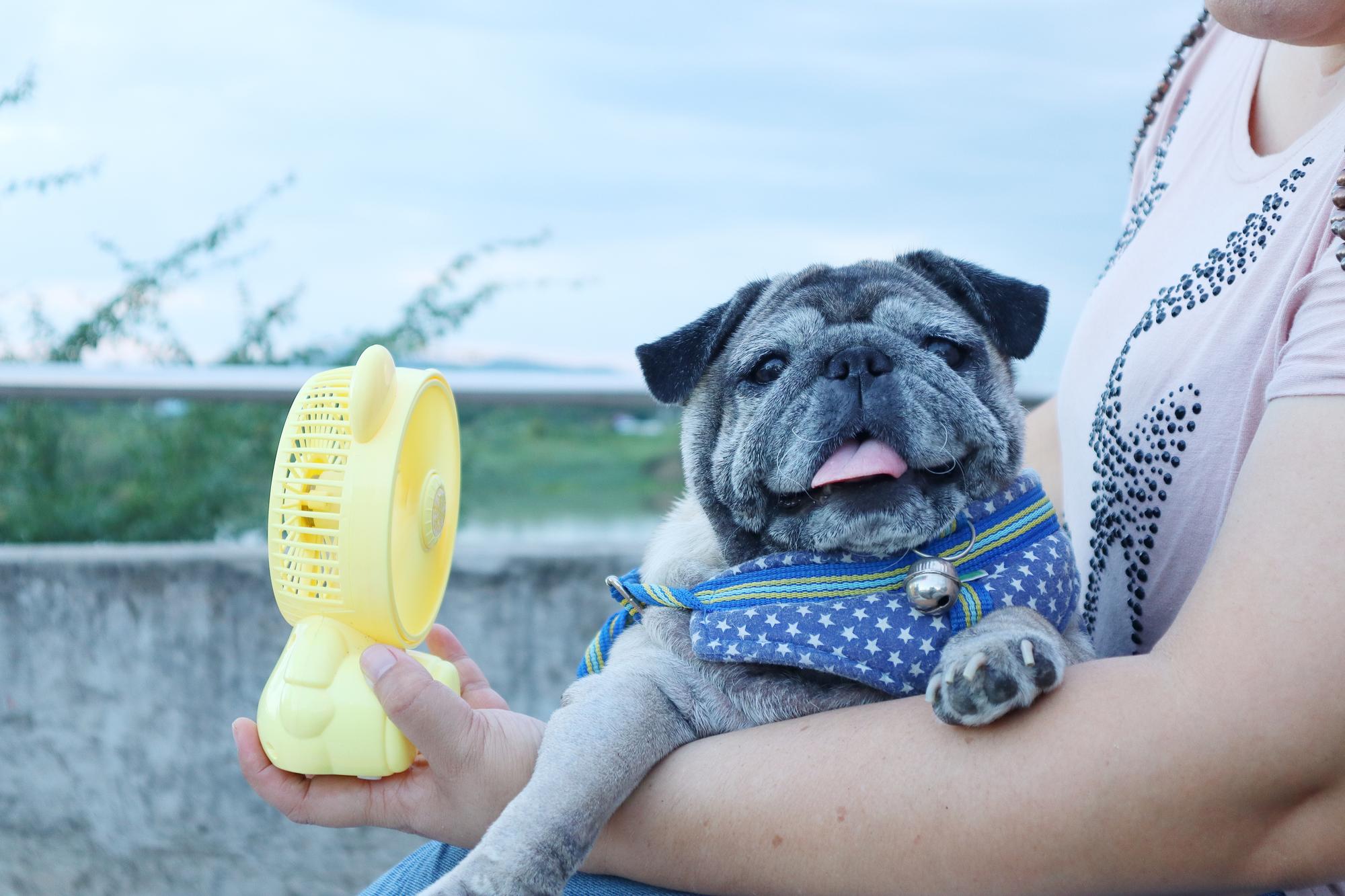
It is important to remember that brachycephalic breeds, such as Bulldogs, Pugs, and Persian cats, are at even greater risk for heat stress because of their shorter noses and compromised ability to breathe efficiently. Overweight pets, elderly animals, and those with existing medical conditions are also more vulnerable to the effects of high temperatures.
Why Heat Stress Happens: Understanding the Risks
Jacksonville’s weather in May often brings high humidity and rising temperatures, making it more difficult for pets to cool themselves naturally. Unlike people, dogs and cats cannot regulate their body temperature as efficiently, so even a short time outdoors or in an unventilated space can put them at risk.
Heat stress and heatstroke occur when a pet’s body temperature rises above the normal range, generally exceeding 103°F. Environmental factors, such as being left in a parked car—even with the windows cracked—can cause temperatures to soar to dangerous levels within minutes. Similarly, exercising your dog during the hottest part of the day or leaving pets outside without access to fresh water and shade can quickly lead to overheating.
Certain pets are more susceptible to heat-related illness. Flat-faced breeds, older animals, young puppies and kittens, and those with chronic medical conditions have a reduced ability to handle temperature extremes. The thick humidity in the Jacksonville area further limits their ability to cool down, increasing the risk for all pets during the late spring and summer months.
Treatment and Professional Care for Heat-Related Illness
If you suspect your dog or cat is suffering from heat stress, immediate action is necessary. The first step is to move your pet to a cooler area, preferably indoors with air conditioning or a fan. Offer small amounts of cool (not cold) water and wet your pet’s paws, ears, and belly with damp towels to help bring their body temperature down gradually. Do not use ice-cold water or ice packs, as this can cause blood vessels to constrict and hinder cooling.
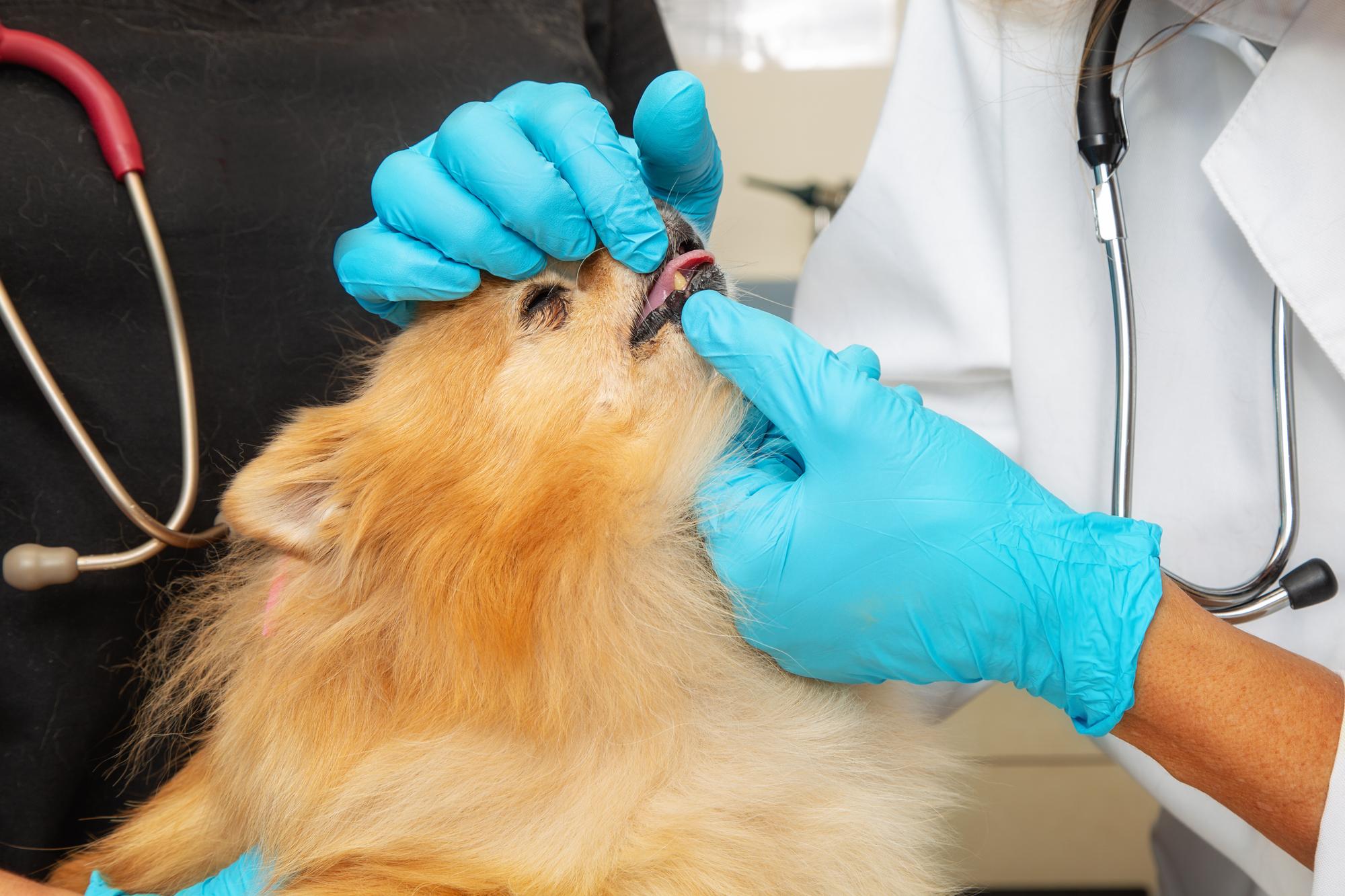
While these first aid steps may help mild cases, heatstroke is a medical emergency that requires professional veterinary care. If your pet shows signs of severe distress—such as vomiting, diarrhea, seizures, collapse, or unresponsiveness—call your veterinarian immediately and transport your pet to the clinic as quickly as possible. Our veterinary team at Merrill Animal Clinic is fully equipped to provide supportive care for heatstroke, including intravenous fluids, oxygen therapy, and close monitoring to prevent complications like organ damage.
We encourage all pet owners to keep our contact information readily accessible. If you are concerned about your pet’s health during the hot season, scheduling a wellness examination can also help us identify any underlying conditions that may increase their risk for heat stress.
Preventing Heat Stress: Practical Tips for Keeping Pets Cool
Prevention is always the best approach when it comes to protecting your pets from the dangers of heat. In Jacksonville, where temperatures and humidity can climb quickly, keeping your pet cool and safe requires a few simple adjustments to your daily routine.
One of the most important steps is to avoid outdoor activities during the peak heat hours, which are typically between 10 a.m. and 4 p.m. Opt for walks or playtime early in the morning or later in the evening when it is cooler. Always provide access to fresh, clean water both inside and outside the home, and ensure your pet has a shady, well-ventilated spot to rest if they are spending time outdoors.
Never leave your pet unattended in a parked car, even for a few minutes. The temperature inside a vehicle can become dangerously high in a very short time, posing a serious risk even on days that feel only moderately warm. For pets that must be outside, consider using cooling mats, fans, or shallow kiddie pools to help them regulate their body temperature.
Grooming also plays a role in keeping pets comfortable during the summer. While it may be tempting to shave your dog’s coat to help them stay cool, most breeds’ fur provides natural insulation against the heat. Instead, regular brushing helps remove excess hair and prevents matting, which can trap heat close to the skin.
Providing proper nutrition is another way to support your pet’s health during the summer. Our team offers nutritional counselling to ensure your pet is receiving a balanced diet that supports their overall wellness, especially during periods of increased stress or activity.
When to Seek Veterinary Help for Heat-Related Concerns
Heatstroke is a life-threatening emergency, and knowing when to seek veterinary care can make all the difference for your pet. If you notice symptoms such as heavy panting, drooling, weakness, vomiting, diarrhea, confusion, or collapse, do not wait to see if your pet improves on their own. These signs indicate that your pet’s body is struggling to regulate temperature and needs immediate medical attention.
Even if your dog or cat seems to recover after an episode of overheating, it is important to schedule a follow-up examination to check for any lingering effects or complications. Heatstroke can cause issues with internal organs that may not be immediately obvious. Our veterinarians at Merrill Animal Clinic are here to help you determine the best course of action for your pet, whether it is urgent care or preventive guidance.
For pets with underlying conditions, such as heart disease or respiratory problems, regular wellness examinations are essential during the hotter months. These visits allow us to assess your pet’s risk and provide tailored recommendations for summer safety.
Supporting Your Pet’s Summer Wellness at Merrill Animal Clinic
At Merrill Animal Clinic, our commitment to your pet’s health does not stop at treating illness—we believe in supporting wellness all year long. As the summer approaches, we encourage pet owners in Jacksonville and surrounding communities to take proactive steps to protect dogs and cats from the dangers of heat. Our full-service small animal hospital offers a range of preventive services, including wellness examinations, nutritional counselling, and individualized advice to help you navigate the challenges of Florida’s climate.
If you are planning a trip and need a safe, climate-controlled place for your pet to stay, our boarding services are designed with your pet’s comfort and well-being in mind. We work with each family to ensure every pet receives the care and attention they need, even when you cannot be at home.
When searching for a veterinarian near me, choose a local, established team that truly understands the needs of Jacksonville pets. Our veterinarians are always available to answer your questions and provide support, whether you are concerned about heat stress or preparing for summer adventures.
If you have any questions about your pet’s health, need to schedule a preventive care appointment, or are worried about heat-related symptoms, contact Merrill Animal Clinic at (904) 744-7206 or visit us at 7530 Merrill Road, Jacksonville, FL 32277. We are here to help keep your pets safe, healthy, and happy all summer long.
Disclaimer: This blog is intended for educational purposes only and should not be used as a substitute for professional veterinary care. If you suspect your pet is experiencing heatstroke or another medical emergency, seek immediate attention from your veterinarian. For more information about summer safety and preventive care, schedule a visit with our veterinary team today.