Protect Your Pet’s Smile: February Dental Health Tips


Protect Your Pet’s Smile: February Dental Health Tips
Every February, pet owners across Jacksonville and surrounding communities are reminded of an important aspect of pet health that’s often overlooked: dental care. National Pet Dental Health Month is the perfect time to shine a light on your dog or cat’s oral health and make sure their smile stays bright, comfortable, and healthy. At Merrill Animal Clinic, located at 7530 Merrill Road, Jacksonville, FL 32277, our veterinary team is dedicated to helping your pet enjoy a lifetime of wagging tails and contented purrs—starting with their teeth and gums.
This guide will walk you through how to recognize the early signs of dental disease, what causes oral health problems in pets, the latest treatment options available, and simple steps you can take at home to support your pet’s dental wellbeing. You’ll also learn when it’s time to schedule a professional dental cleaning and how preventive care from your veterinarian is the best gift you can give your pet this month and throughout the year. If you’re curious about what a veterinary dental cleaning involves, or if you want to know more about our pet dental cleaning and dental care services, you’ll find helpful answers and friendly guidance from the team at Merrill Animal Clinic.
Recognizing Dental Problems in Your Pet
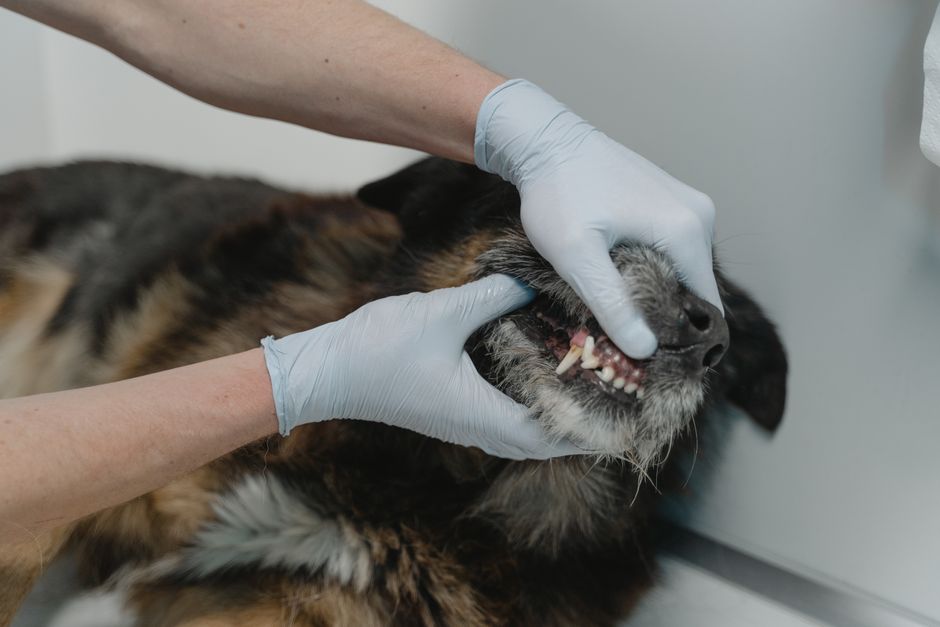
It’s easy for pet owners to miss the subtle signs that their dog or cat is experiencing dental discomfort. Unlike people, pets rarely show obvious pain until dental disease has progressed, making early recognition crucial for maintaining their quality of life. Common symptoms of dental trouble include persistent bad breath that lingers even after a bath or grooming, as well as visible tartar buildup along the gumline. You might also notice your pet dropping food while eating, chewing more slowly, or favoring one side of the mouth. Red, swollen, or bleeding gums, excessive drooling, and pawing at the mouth are additional warning signs. In some cases, changes in behavior such as irritability, a reluctance to play with chew toys, or decreased appetite can be linked to oral discomfort.
Cats are especially skilled at hiding pain, so pet owners should watch carefully for subtle changes. If your cat suddenly stops grooming or your dog hesitates to eat crunchy treats, dental disease may be the underlying cause. In advanced cases, tooth loss or swelling near the jaw can indicate more severe problems. When in doubt, a comprehensive exam with your veterinarian is the best way to catch dental issues before they escalate.
Why Do Dental Problems Occur in Pets? Understanding the Causes
Dental disease in pets is far more common than many realize. By the age of three, most dogs and cats show some degree of periodontal disease, which is an infection and inflammation of the tissues surrounding the teeth. This often begins with plaque—a sticky film made up of bacteria and food particles—that hardens into tartar over time. As tartar accumulates, it pushes below the gumline, leading to infection, gum recession, and eventual tooth loss if left untreated.
Several factors can increase your pet’s risk of dental disease. Small breed dogs and certain cat breeds are more prone to developing oral health issues because of the way their teeth are arranged in the mouth. Diet also plays a significant role; pets fed primarily soft or sticky foods are more likely to develop plaque and tartar. Genetics can further influence susceptibility, and pets with immune system issues or underlying health conditions may be at greater risk.
Environmental factors such as lack of regular dental care, infrequent professional cleanings, and insufficient at-home brushing allow dental problems to take hold and progress quickly. Jacksonville’s humid climate can also promote bacterial growth, making preventive care even more important in this region.
How Veterinary Professionals Treat Dental Disease
When it comes to treating dental problems in pets, professional intervention is essential for restoring oral health and preventing complications that can affect the heart, liver, and kidneys. At Merrill Animal Clinic, our veterinarians begin with a thorough oral examination, often using dental radiography to assess the health of teeth below the gumline—where most problems start. Dental X-rays are invaluable for identifying hidden infections, bone loss, or fractures that cannot be seen during a visual exam.
Professional pet dental cleanings are performed under anesthesia to allow for a complete and safe removal of plaque and tartar. During the cleaning, our veterinary team will scale and polish each tooth, carefully examine the gums, and check for any loose or damaged teeth. If advanced disease or painful conditions are found, procedures such as pet tooth extractions or pet oral surgery may be recommended to relieve pain and stop the spread of infection.
For less severe cases, our veterinarians may recommend targeted treatments such as antibiotics, medicated rinses, or special dental diets. We will also discuss a personalized plan to prevent future dental problems, drawing on the latest advances in veterinary dental care to keep your pet’s smile healthy.
Preventive Dental Care and Home Tips for Pet Owners
Preventing dental disease starts at home. Pet owners can make a meaningful difference in their dog or cat’s oral health by incorporating daily or regular tooth brushing into their routine. Using a pet-safe toothpaste and a soft-bristled brush, gently clean your pet’s teeth, focusing on the outer surfaces where plaque tends to accumulate. While some pets need time to adjust to brushing, patience and positive reinforcement often lead to success.
Dental treats and toys designed to help reduce plaque buildup can be a valuable addition to your pet’s dental health regimen. Ask your veterinarian about products that are proven to be effective and safe. In addition to home care, scheduling annual or semi-annual professional dental cleanings with your veterinary team is the gold standard for prevention. These cleanings address tartar and plaque in areas your brush cannot reach and allow for early detection of emerging issues.
It’s also important to feed your pet a balanced diet recommended by your veterinarian, as certain foods can contribute to dental problems. Regular checkups at Merrill Animal Clinic provide an opportunity to assess your pet’s oral health and make adjustments to their care plan as needed. For more information about our comprehensive approach, visit our pet dental health services page to learn how we can support your pet’s wellbeing.
When to Schedule a Professional Dental Appointment
Knowing when to seek veterinary dental care can make all the difference for your pet’s comfort and long-term health. If you notice persistent bad breath, visible tartar, red or bleeding gums, loose teeth, or any changes in eating habits, it is time to schedule an appointment with our veterinary team. Waiting too long can allow infections to worsen, causing pain and potentially impacting your pet’s overall health.
Even if your pet seems healthy, regular dental examinations and cleanings are recommended at least once a year for most pets. Some breeds or those with previous dental issues may benefit from more frequent checkups. Professional cleanings not only resolve current problems but also provide a baseline for monitoring changes as your pet ages.
For dogs or cats with significant dental disease, surgical intervention or extractions may be necessary to relieve pain and restore oral function. Our veterinarians will work with you to develop a treatment plan that is both effective and compassionate, ensuring your pet’s comfort every step of the way. If you are searching for a trusted “veterinarian near me” for dental care, Merrill Animal Clinic is here to support you with expert, friendly service.
Keeping Your Pet’s Smile Healthy Year-Round
February is a wonderful reminder to focus on your pet’s dental health, but a healthy smile requires year-round attention. By watching for early signs of dental disease, staying informed about risk factors, following your veterinarian’s advice for home care, and scheduling regular professional cleanings, you can help your dog or cat maintain strong teeth and a happy disposition.
If you are ready to take the next step in protecting your pet’s smile, our team of veterinarians at Merrill Animal Clinic welcomes you to schedule an appointment. We are proud to serve Jacksonville and surrounding communities with compassionate, comprehensive dental care for pets of all ages. To learn more about our complete range of dental care services or to book your pet’s dental cleaning, call us at (904) 744-7206 or visit us at 7530 Merrill Road, Jacksonville, FL 32277.
Let us help your best friend enjoy a lifetime of healthy smiles—because every pet deserves to feel their best, every day of the year. If you have questions or concerns about your pet’s dental health, don’t hesitate to reach out to our veterinary professionals for guidance and support.