Preventing Spring Allergies: Essential Pet Care Tips for Jacksonville


Preventing Spring Allergies: Essential Pet Care Tips for Jacksonville
As the warmth of February signals the arrival of spring in Jacksonville, pet owners start to notice their dogs and cats scratching, sneezing, or licking more often. Just like people, pets can suffer from seasonal allergies, and the unique climate here in Jacksonville and surrounding communities often brings a surge of pollen and other allergens that can make your pet uncomfortable. At Merrill Animal Clinic, located at 7530 Merrill Road, Jacksonville, FL 32277, our veterinarians have seen firsthand how springtime can affect local pets. This blog will help you recognize allergy symptoms in your pet, understand the causes, explore available treatments, and offer practical advice for prevention and comfort. We’ll also share when it’s time to schedule an appointment and how our veterinary team can support your pet’s health during allergy season.
Recognizing Spring Allergy Symptoms in Your Pet
Spring allergies in pets often manifest in ways that can be mistaken for other health problems, so being able to spot the signs early makes a significant difference. Key symptoms include frequent scratching, biting, or licking at the skin, which sometimes leads to redness or hair loss. You may also notice watery eyes, sneezing, or a runny nose. Other common signs are chronic ear infections, head shaking, or ear scratching. Some pets develop red, inflamed skin on their paws or stomach and may chew at their feet after walks. In cats, symptoms may be subtler, such as excessive grooming or small scabs along the back and neck. If you observe these behaviors, it’s important not to dismiss them as normal springtime itchiness, especially if they persist or worsen.
Occasionally, allergies can cause digestive upset, including vomiting or diarrhea, although this is less common with environmental allergens and more likely with food sensitivities. If your pet’s symptoms are accompanied by lethargy, loss of appetite, or difficulty breathing, these are urgent warning signs that require immediate veterinary attention. Recognizing these symptoms early allows for quicker intervention, which can make your pet much more comfortable as spring unfolds.
What Causes Spring Allergies in Jacksonville Pets?
Spring in Jacksonville brings a burst of plant growth, increased pollen, and higher humidity, all of which can contribute to seasonal allergies in pets. The most common culprits include tree pollen, grass pollen, and mold spores that thrive in our damp, warm environment. Pets can be exposed to these allergens while outdoors, through open windows, or even from pollen that clings to your shoes and clothing.
In addition to environmental allergens, dust mites and certain insects become more active in spring. Flea allergies are especially common in the Southeast, where flea populations can explode as temperatures rise. Some pets are also sensitive to chemicals found in fertilizers and lawn treatments, which are often used more frequently during spring landscaping projects.
Genetics play a role as well, with certain breeds like retrievers, terriers, and bulldogs being more prone to allergy issues. Age, overall health, and immune status can influence how severely an individual pet reacts to seasonal changes. Understanding these risk factors helps you make informed decisions about minimizing your pet’s exposure and seeking timely veterinary care.
Professional Treatment Options for Pet Allergies
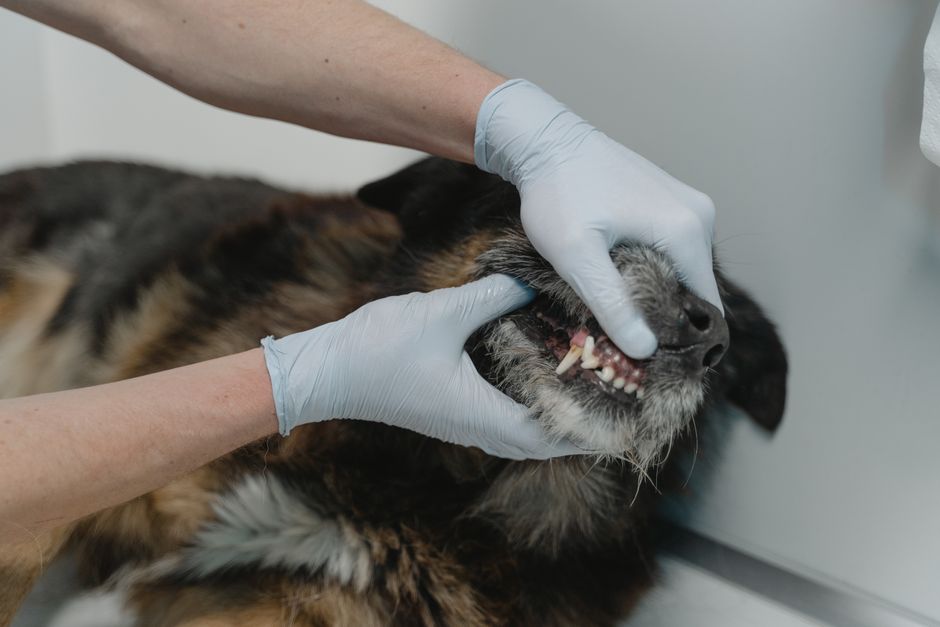
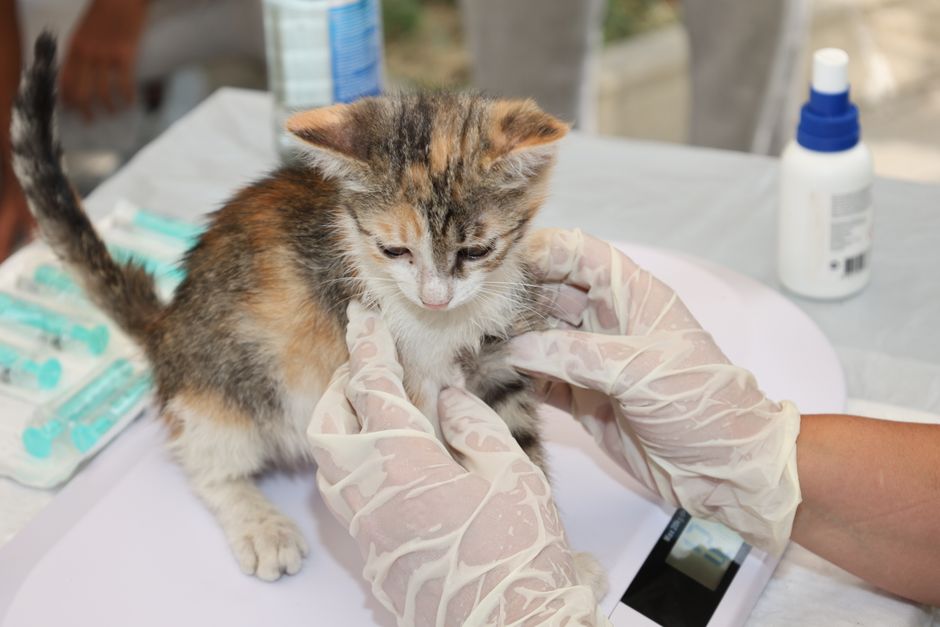
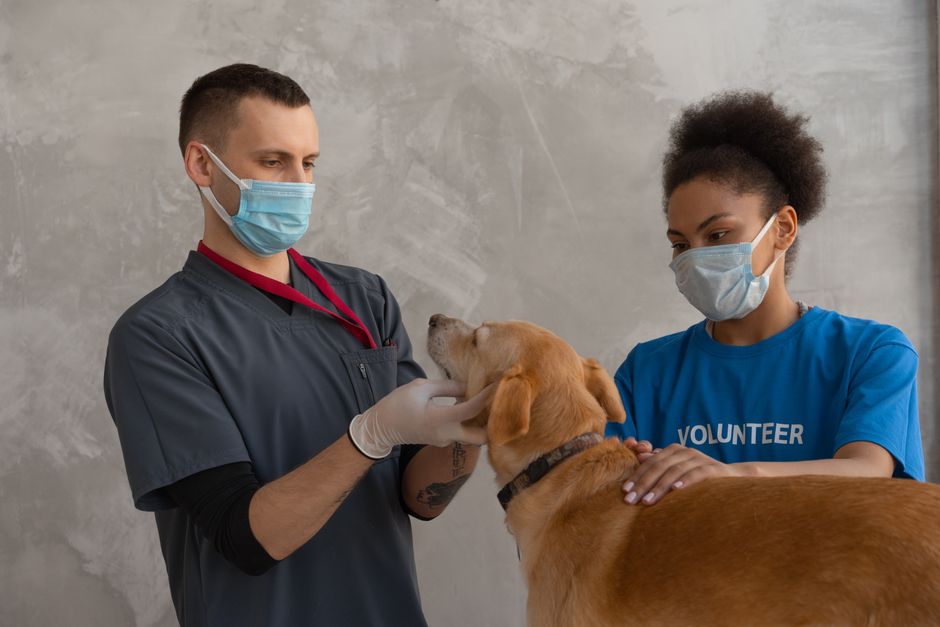
When your pet is struggling with allergy symptoms, a visit to Merrill Animal Clinic is the best way to start finding relief. During a comprehensive pet exam, our veterinarians will take a detailed history, examine your pet’s skin, ears, and eyes, and may recommend diagnostic tests to identify the specific allergens causing the reaction. In some cases, laboratory testing is needed to rule out other conditions that can mimic allergies, such as skin infections or autoimmune diseases. Our on-site diagnostic laboratory allows us to quickly analyze blood, skin, or ear swabs to pinpoint the underlying cause.
Treatment approaches involve a combination of therapies tailored to your pet’s needs. For mild cases, antihistamines or topical treatments can reduce itching and inflammation. Medicated shampoos, ear cleaners, and prescription ointments may help soothe irritated skin or ears. In more persistent cases, our veterinarians might suggest oral medications to control the immune response, or allergy injections (immunotherapy) for long-term management.
For pets with flea allergies, rapid flea control is essential, and our veterinary team can recommend safe, effective products. Addressing secondary infections, such as bacterial or yeast skin infections, may require antibiotics or antifungal medications. Throughout the process, our veterinarians will work closely with you to monitor progress and adjust the treatment plan as needed.
While over-the-counter products are widely available, it’s important to consult with a veterinarian before starting any new treatments, as some human medications can be dangerous to pets. We encourage all pet owners to seek professional guidance for the best results and to avoid potential risks.
Preventing Spring Allergies: Home Care Tips and Environmental Management
While professional care is essential for pets with moderate to severe allergies, pet owners can take many steps at home to reduce their pet’s exposure to springtime triggers. Simple daily routines can make a noticeable difference in your pet’s comfort during allergy season.
One effective strategy is to wipe your pet’s paws, belly, and face with a damp cloth after outdoor walks. This helps remove pollen and other allergens that can accumulate on their fur and skin. Bathing your pet with a veterinarian-recommended hypoallergenic shampoo can further reduce allergen load and soothe irritated skin, but be cautious not to over-bathe, as this can dry out the skin.
Keeping windows closed on high-pollen days and using air purifiers can limit the amount of pollen entering your home. Regularly washing pet bedding, vacuuming carpets, and cleaning floors will help minimize indoor allergens such as dust mites and mold spores. If your pet is prone to ear infections during allergy season, routine ear cleaning with a product recommended by our veterinarians can be beneficial.
Nutrition also plays a role in supporting your pet’s immune system. Feeding a high-quality diet and considering nutritional supplements, such as omega-3 fatty acids, may help reduce inflammation and strengthen the skin barrier. Our team offers nutritional counselling to help you select the best diet for your pet’s unique needs and discuss dietary changes that may alleviate allergy symptoms.
Flea prevention is crucial in Jacksonville’s climate. Using veterinarian-approved flea control products year-round can help protect pets from flea allergy dermatitis, which often flares up in spring. If you treat your lawn or garden, choose pet-safe products and keep your pets away from treated areas until it’s safe for them to return.
When Should You Seek Veterinary Care for Allergies?
Some mild allergy symptoms can be managed with home care, but it’s important to recognize when professional help is needed. You should schedule an appointment at Merrill Animal Clinic if your pet’s itching, licking, or scratching persists for more than a week, or if you notice areas of hair loss, red or inflamed skin, or frequent ear infections. Sudden changes in behavior, such as withdrawal or aggression due to discomfort, also indicate that a veterinary evaluation is needed.
If your pet develops open sores, bleeding, or signs of infection like pus or foul odor, these are urgent signs that require prompt attention. Difficulty breathing, facial swelling, or severe lethargy are medical emergencies; seek care immediately if any of these symptoms occur. Our wellness examinations are designed to catch allergies and related health issues early, allowing for more effective treatment and better long-term outcomes.
For sudden or severe allergy reactions outside regular hours, consult our guide to after-hour emergencies for instructions on what to do and where to seek urgent veterinary care.
Why Choose Merrill Animal Clinic for Pet Allergy Care in Jacksonville?
At Merrill Animal Clinic, our veterinary professionals are committed to providing comprehensive, compassionate care for every pet in Jacksonville and surrounding areas. We understand the challenges that spring allergies can bring and offer a full range of services, from diagnosis to treatment and ongoing preventive care. Our clinic’s advanced diagnostic capabilities, personalized treatment plans, and experienced veterinary team mean your pet receives the highest standard of care every step of the way.
Whether you’re dealing with a mild case of seasonal itchiness or a more complex allergy issue, we are here to support you and your pet for the long term. Our preventive care programs and regular check-ups ensure that your pet stays healthy, happy, and comfortable throughout the year.
Take the Next Step: Schedule Your Pet’s Allergy Consultation
If your pet is showing signs of spring allergies or you want to learn more about protecting them during Jacksonville’s allergy season, our team at Merrill Animal Clinic is ready to help. We encourage you to schedule an appointment for a thorough evaluation and personalized care plan. To get started, call us at (904) 744-7206. You can also visit our website at merrillanimalclinic.com for more information about our services and resources.
When searching for a veterinarian near me, it’s important to find a team that understands the unique needs of pets in Jacksonville’s climate. At Merrill Animal Clinic, our veterinarians are dedicated to your pet’s well-being, offering the expertise and support you need to manage allergies and prevent future health issues. Contact us today or stop by 7530 Merrill Road, Jacksonville, FL 32277 to see how we can keep your pet healthy and comfortable all year long.
Medical Disclaimer: This blog is for informational purposes only and does not replace professional veterinary care. Always consult your veterinarian with specific concerns about your pet’s health.