Dog Breath: What It Means and When to Worry


Dog Breath: What It Means and When to Worry
Does your dog’s breath make you wrinkle your nose or hesitate before giving out kisses? If you’ve noticed your dog’s breath is less-than-pleasant, you’re not alone. Many pet owners in Jacksonville and surrounding communities come to Merrill Animal Clinic on Merrill Road, Jacksonville, FL seeking answers about bad dog breath, wondering if it’s simply a nuisance or a sign of something more serious. In this blog, our veterinary professionals explain what causes dog breath to turn foul, which signs should prompt concern, and how you can protect your dog’s dental health all year long. We’ll cover the most common causes, how to recognize when a veterinary visit is needed, and the best ways to keep your dog’s mouth healthy with support from our team at Merrill Animal Clinic. If you’re searching for a trusted veterinarian in Jacksonville to help with your dog’s breath or dental care, you’ll find the answers and compassionate guidance you need right here.
Recognizing When Your Dog’s Breath Is a Problem
Pet owners often joke about “dog breath,” but it’s important to understand when bad breath is more than just a typical canine quirk. While it’s normal for dogs to have some odor on their breath after eating or chewing on certain treats, persistent or unusually strong smells can signal an underlying problem. Signs that your dog’s breath may be a concern include an ongoing foul odor, a sudden change in breath smell, or breath that carries a particularly sour, rotten, or metallic scent. Additionally, if you notice your dog pawing at their mouth, refusing food, drooling excessively, or showing discomfort when chewing, these symptoms could indicate a dental or systemic health issue.
Sometimes, the smell is the first and only clue that something is wrong. For example, a dog who normally loves crunchy kibble but suddenly seems hesitant to eat, combined with worsening breath, may be dealing with dental pain or infection. In other cases, pet owners might see red or swollen gums, notice loose teeth, or find their dog is unusually irritable during play or grooming. Paying attention to these subtle changes and discussing any concerns with your veterinarian is essential for your dog’s health and comfort.
What Causes Bad Dog Breath?
Understanding what makes dog breath unpleasant can help you spot potential health issues early. The most common cause of bad breath in dogs is dental disease, specifically the buildup of plaque and tartar on the teeth. As bacteria accumulate in your dog’s mouth, they produce foul-smelling compounds that lead to persistent odor. Over time, this bacteria can cause gingivitis, periodontal disease, and even tooth loss if left untreated.
Besides dental disease, other factors can contribute to unpleasant dog breath. Diet plays a role; dogs who eat certain foods or get into the trash may develop temporary bad breath. Medical conditions such as diabetes, kidney disease, or gastrointestinal problems can also affect how your dog’s breath smells. For instance, a sweet or fruity odor may be linked to diabetes, while a strong ammonia scent can be associated with kidney issues. Foreign objects, like sticks or pieces of toys lodged in the mouth, can lead to infection and a sudden change in breath odor. Additionally, oral tumors or growths, though less common, can cause persistent bad breath alongside other symptoms.
If your dog’s breath shifts from normal to noticeably foul, or if you see other changes in behavior or appetite, it’s important to schedule a veterinary exam. Our team at Merrill Animal Clinic is experienced in diagnosing and treating the root causes of bad breath, ensuring your pet receives the comprehensive care they deserve.
Professional Treatments for Bad Dog Breath at Merrill Animal Clinic
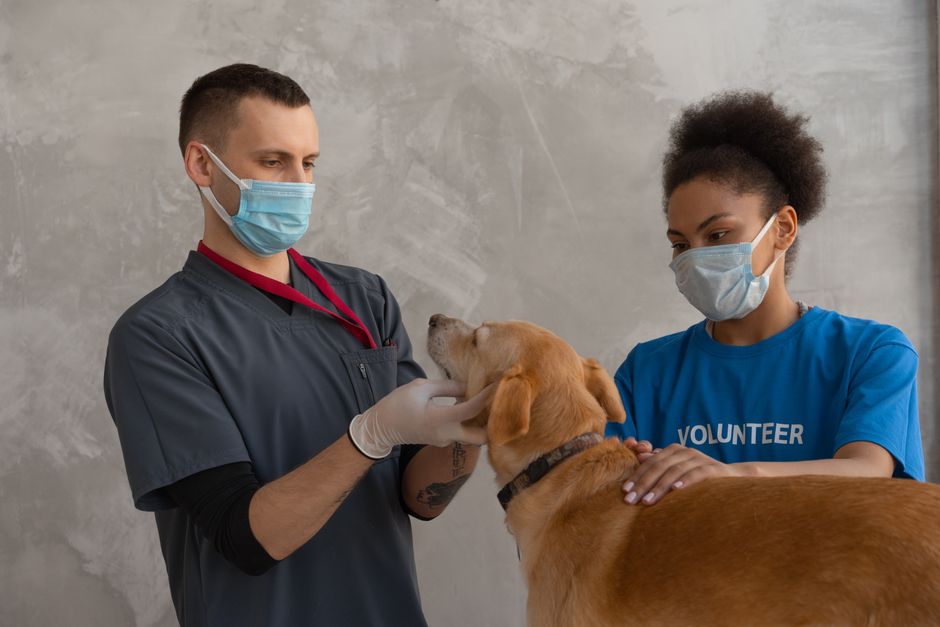
When you bring your pet to Merrill Animal Clinic on Merrill Road, Jacksonville, FL for concerns about dog breath, our veterinarians start with a thorough oral exam. This allows us to assess your pet’s teeth, gums, and overall mouth health. In many cases, professional dental cleaning is recommended to remove the buildup of plaque and tartar that brushing at home cannot reach. Our pet dental cleanings are performed with your pet’s comfort and safety in mind, using advanced equipment and gentle techniques.
If dental disease is found, our team may recommend additional services such as dental repair, pet tooth extractions, or pet oral surgery to address infected or damaged teeth. We also utilize dental radiography to gain a deeper look at your dog’s oral structures, ensuring no underlying issues are missed. These advanced diagnostics help us create a tailored treatment plan that relieves pain, resolves infection, and restores fresh breath.
In situations where bad breath is linked to a medical condition outside the mouth, such as kidney or metabolic disease, our veterinarians will recommend appropriate diagnostic tests and guide you through the next steps for your dog’s care. No matter the cause, our priority is to provide effective, compassionate treatment that supports your dog’s health and quality of life.
Preventing Bad Breath and Promoting Healthy Dog Smiles
Caring for your dog’s teeth at home is a vital step in preventing bad breath and dental disease. Regular tooth brushing with dog-safe toothpaste helps remove plaque before it hardens into tartar. Introducing dental chews, water additives, and specially formulated diets can also support oral hygiene between veterinary visits. It’s important to remember that while these tools are helpful, they do not replace the need for professional dental cleanings.
Scheduling annual dental exams with the veterinary team at Merrill Animal Clinic is the best way to catch problems early and prevent serious complications. During these visits, we assess your dog’s oral health, provide professional cleaning as needed, and offer personalized advice to keep your pet’s breath fresh. Routine dental care not only improves your dog’s comfort but can also protect their heart, kidneys, and overall well-being by reducing the spread of harmful bacteria from the mouth to other parts of the body.
If you’re unsure how to start a dental care routine at home, our veterinarians are happy to demonstrate proper techniques and recommend products suited to your dog’s specific needs. Consistency is key, and even a few minutes of brushing each week can make a noticeable difference in your dog’s breath and long-term health.
When to Schedule a Veterinary Visit for Dog Breath
It can be difficult to know when bad breath is a simple inconvenience or a sign that your dog needs medical attention. You should contact your veterinarian promptly if your dog’s breath suddenly becomes extremely foul or changes in character, especially if this is accompanied by symptoms like reduced appetite, difficulty eating, drooling, swelling around the mouth, or bleeding gums. Additionally, if you observe visible tartar buildup, loose or broken teeth, or signs of pain when your dog chews or plays with toys, a professional examination is essential.
Persistent bad breath that doesn’t improve with regular home care is another reason to schedule an appointment. Sometimes, what seems like a minor issue can be a sign of a more serious underlying problem, such as oral infection, abscess, or even a systemic illness. Our veterinarians at Merrill Animal Clinic can help determine the cause, relieve discomfort, and ensure your pet receives the right treatment.
If you are searching for a “vet near me” because you’re concerned about your dog’s breath, remember that timely care leads to the best outcomes. Don’t wait for dental disease to progress; early intervention can prevent pain, tooth loss, and more extensive (and expensive) treatments down the road.
Protect Your Dog’s Smile with Merrill Animal Clinic
Dog breath is more than just a minor annoyance; it’s often a signal from your pet that something needs attention. By understanding the causes of bad breath, recognizing warning signs, and partnering with your veterinary professionals for regular dental care, you can help your dog enjoy a healthier, happier life. At Merrill Animal Clinic, we’re committed to supporting Jacksonville’s pets and their families with comprehensive, compassionate veterinary care.
If you’ve noticed changes in your dog’s breath or want to learn more about our dental health services, we invite you to reach out to our team. You can schedule an appointment by calling (904) 744-7206 or visiting us at 7530 Merrill Road, Jacksonville, FL 32277. Let us help you keep your pet’s breath fresh and their smile bright. When you need a veterinarian near me for dental care or any aspect of your dog’s health, Merrill Animal Clinic is here for you every step of the way. For more resources on canine dental health, visit the American Veterinary Dental College’s website. Your dog’s comfort and wellbeing are our top priorities—schedule a dental checkup today and discover the difference caring veterinary professionals can make.