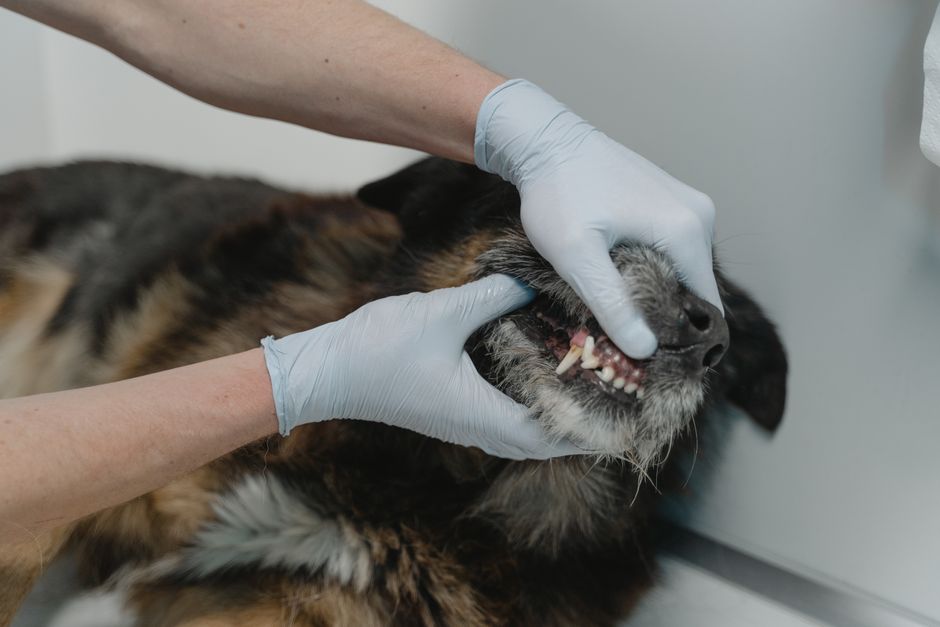
Early Signs of Pet Dental Disease and Prevention Tips


Early Signs of Pet Dental Disease and Prevention Tips
Dental health is an essential part of your pet’s overall wellbeing, yet it is often overlooked until problems become severe. If you have ever wondered how to spot dental disease early or want to know the best ways to protect your pet's mouth, you are not alone. Many Jacksonville pet owners are surprised to learn how subtle the first signs of dental disease can be and how quickly issues can progress without regular care.
At Merrill Animal Clinic, located at 7530 Merrill Road, Jacksonville, FL 32277, our veterinary team is passionate about helping dogs and cats achieve healthy mouths and happier lives. In this guide, we will walk you through the early warning signs of pet dental disease, explain why it develops, discuss treatment options, and share practical prevention tips you can use at home. If you are concerned about your pet’s teeth or just want to make sure you are doing everything possible for their oral health, this resource is for you. And if you are considering professional dental care for your pet, our veterinarians offer a range of services—from pet dental cleanings to dental repair—to keep your pet’s smile healthy.
Recognizing the Early Signs of Dental Disease in Pets
Dental disease in pets often starts quietly, with changes that are easy to miss if you are not looking for them. Key symptoms include persistent bad breath, which many pet owners mistakenly believe is normal. You might also notice yellow or brown tartar building up along the gumline, red or swollen gums, and bleeding when your pet chews toys or eats. Additionally, pets may show discomfort while eating, such as dropping food, chewing on one side of the mouth, or turning away from hard kibble. Other subtle signs are increased drooling, pawing at the mouth, or reluctance to let you examine their teeth.
As dental disease progresses, more pronounced symptoms can appear. These include loose or missing teeth, visible pus or swelling around the mouth, and even changes in behavior such as irritability or withdrawal from play. Cats are especially skilled at hiding discomfort, so changes in grooming habits or a sudden lack of interest in favorite foods can also indicate dental pain. If your pet seems less energetic or less enthusiastic about daily activities, it may be a response to ongoing oral discomfort.
Recognizing these early warning signs allows you to seek help before dental disease causes lasting harm. By bringing your pet to Merrill Animal Clinic for regular dental checkups and professional dental health care, you can ensure that any issues are caught and treated promptly, protecting your pet’s health and quality of life.
Understanding the Causes of Dental Disease in Dogs and Cats
Dental disease in pets, also known as periodontal disease, develops when bacteria in the mouth form a sticky film called plaque. This plaque hardens into tartar if not removed, leading to irritation and inflammation of the gums. Over time, the infection can spread deeper, damaging the structures that support the teeth and even allowing bacteria to enter the bloodstream, affecting other organs.
Several factors contribute to dental disease in pets. Diet plays a major role; pets that eat mostly soft foods or human table scraps are at higher risk since these foods do not help clean the teeth. Genetics also influence susceptibility, with certain breeds being more prone to oral health problems. Small breed dogs and some cats, for example, are notorious for developing dental disease at a young age. Age is another important factor, as older pets are more likely to have accumulated tartar and experienced gum recession.
Environmental elements found in Jacksonville and surrounding communities, such as high humidity, can also accelerate bacterial growth in the mouth, making regular care even more important for local pets. Additionally, lack of routine dental home care, such as tooth brushing or dental chews, allows plaque to build up quickly. Routine professional cleanings and early intervention by your veterinary team can make a significant difference in slowing or preventing disease progression.
Treatment and Management of Pet Dental Disease
When dental disease is detected, your veterinarian will recommend a treatment plan based on the severity of the condition. For early-stage disease, professional dental cleanings under anesthesia are the mainstay of treatment. During a pet dental cleaning, your pet’s teeth are thoroughly scaled to remove plaque and tartar both above and below the gumline. Dental radiographs may also be performed to check for hidden problems such as root infections or bone loss, which are not visible to the naked eye.
If your pet’s dental disease is more advanced, additional treatments may be necessary. These can include dental repair services for damaged teeth, tooth extractions for teeth that are loose, infected, or broken, and even pet oral surgery for complex cases. Your veterinary professionals will discuss all options with you, explaining the benefits and risks of each procedure so you can make informed decisions for your pet.
After treatment, ongoing management at home is essential to prevent recurrence. Your veterinarian will provide guidance on home care routines, recommend appropriate dental diets or treats, and schedule follow-up visits for monitoring. By working together, you and your veterinary team can help your pet enjoy a healthier mouth and a more comfortable life.
Practical Prevention Tips for Better Pet Oral Health
Keeping your pet’s mouth healthy starts with a combination of professional care and daily attention at home. The most effective way to prevent dental disease is to brush your pet’s teeth regularly using a pet-safe toothbrush and toothpaste. Brushing helps remove plaque before it can harden into tartar. If daily brushing is not possible, even a few times a week can make a meaningful difference.
Dental chews and toys designed to clean teeth can also help, as can specially formulated dental diets that reduce plaque buildup. Your veterinarian may recommend products approved by the Veterinary Oral Health Council (VOHC) for extra assurance. Regular wellness visits—including annual or semi-annual dental checkups—are critical. During these visits, your veterinarian can identify early changes, provide a professional cleaning when needed, and offer personalized advice based on your pet’s individual risk factors.
It is also important to avoid feeding your pet hard objects like bones or antlers, which can fracture teeth, and to monitor for any changes in eating habits or behavior that might signal discomfort. If you notice any warning signs, prompt veterinary attention can prevent small problems from becoming serious issues. The team at Merrill Animal Clinic is always happy to answer your questions and guide you on the safest, most effective prevention strategies for your pet.
When to Seek Veterinary Dental Care
Some dental issues require immediate professional attention, while others can be addressed at your pet’s next scheduled appointment. You should contact your veterinarian promptly if your pet has persistent bad breath, visible swelling around the mouth, bleeding from the gums, loose teeth, or difficulty eating. Sudden changes in appetite, drooling that is out of the ordinary, or pain when the mouth is touched are also reasons to seek help without delay.
For pets with underlying health conditions, dental disease can pose extra risks, so regular monitoring and early intervention are particularly important. Even if your pet seems healthy, annual dental evaluations are essential for catching problems before they cause pain or systemic illness. If you are searching for a "vet near me" in Jacksonville who can provide thorough dental care, Merrill Animal Clinic offers a full range of dental services to meet your needs.
Protect Your Pet’s Smile: Schedule a Dental Checkup Today
Your pet’s dental health is as important as any other aspect of their wellbeing. By learning to recognize early signs of dental disease and following prevention tips at home, you can help your dog or cat avoid discomfort and live a happier, healthier life. The veterinary professionals at Merrill Animal Clinic are dedicated to supporting you every step of the way, offering compassionate care and advanced dental services right here in Jacksonville.
If you have noticed any signs of dental disease or simply want to ensure your pet’s mouth is in top condition, we invite you to schedule an appointment with our experienced veterinarians. Contact us at (904) 744-7206 or visit our hospital at 7530 Merrill Road, Jacksonville, FL 32277 to learn more about our dental repair services and how we can help your pet. Taking these steps today means more tail wags, purrs, and happy memories tomorrow. Your pet’s healthiest life starts with a healthy mouth, and we are here to help make that possible.
This article is intended for educational purposes only and does not substitute for professional veterinary care. For specific questions or concerns about your pet’s health, please consult your veterinarian.