Dogs Bad Breath: Causes, Prevention, and When to See a Vet


Dogs Bad Breath: Causes, Prevention, and When to See a Vet
If you have ever recoiled at your dog’s breath during an affectionate moment, you are not alone. Many pet owners in Jacksonville and surrounding communities bring up concerns about dogs bad breath at their regular visits to Merrill Animal Clinic. While some degree of “doggy breath” is common, persistent or unusually foul odor can signal underlying health issues that deserve attention. In this blog, we will explore what causes bad breath in dogs, how to recognize when it is a problem, what you can do to prevent it, and when it is time to schedule a veterinary appointment. Our experienced veterinary team is dedicated to helping you keep your pet’s mouth healthy and fresh year-round. If you are worried about your dog’s breath, our veterinarians at 7530 Merrill Road, Jacksonville, FL 32277 are here to help.
Recognizing Dogs Bad Breath: When Is It a Problem?
Every dog gets a bit of morning breath, but it is important to know when this common issue crosses the line into something more serious. Occasional mild odor, especially after your dog eats or chews on certain treats, is usually harmless. However, persistent bad breath that does not improve with routine home care can be a warning sign of dental or systemic health problems.
Key indicators that your dog’s bad breath might be cause for concern include a strong, foul, or sweet-smelling odor that lingers, a noticeable change in your dog’s eating habits, visible tartar or red gums, and any signs of pain while chewing or playing with toys. Some dogs also drool more when their mouths are uncomfortable, or they may paw at their face. If you notice any combination of these symptoms, it is time to take a closer look at your dog’s oral health.
What Causes Bad Breath in Dogs?
Bad breath in dogs, also known as halitosis, is most commonly linked to dental disease. As in people, plaque and tartar build up on your dog’s teeth over time, providing the perfect environment for bacteria to thrive. As bacteria multiply, they produce odors that can make your dog’s breath quite unpleasant.
Beyond dental disease, there are other reasons dogs bad breath may occur. Periodontal disease, where the structures supporting your dog’s teeth become inflamed or infected, is a leading culprit. Broken or infected teeth, mouth ulcers, and oral tumors can also create persistent bad breath. Occasionally, the cause might be something your dog ate, like garbage or animal waste during a walk, but truly foul breath is often a sign of something more significant.
Some underlying health conditions can also contribute to bad breath. Chronic kidney disease can cause a chemical or metallic odor, while diabetes often leads to a sweet or fruity smell. Gastrointestinal issues and liver disease occasionally produce unusual breath odors as well. For these reasons, it is wise to mention any changes in your dog’s breath to the veterinary team at your next visit.
Professional Dental Care and Treatment Options
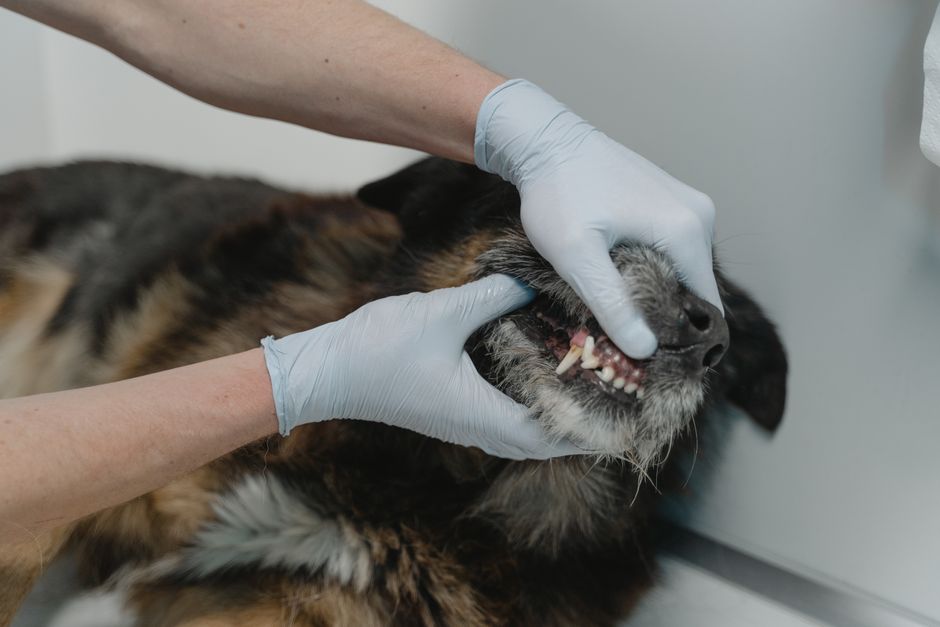
When it comes to treating dogs bad breath, the first step is a professional veterinary examination. At Merrill Animal Clinic, our veterinarians will thoroughly evaluate your dog’s mouth, teeth, and gums, looking for signs of dental disease or other oral health problems. In many cases, dental cleaning under anesthesia is recommended to remove plaque and tartar both above and below the gumline.
Our pet dental cleanings are designed to restore your dog’s oral health and freshen their breath. During these procedures, we also perform a careful assessment for any damaged or loose teeth that may need further attention. When necessary, our veterinary team can provide pet tooth extractions or pet oral surgery to address more advanced dental issues. We may also recommend dental radiography, which helps us evaluate the health of tooth roots and jawbones that cannot be seen during a visual exam.
For dogs with more complex dental needs, such as fractured teeth or oral injuries, dental repair services may be appropriate. The right treatment plan always depends on your dog’s unique situation, but our goal is to relieve discomfort, resolve infection, and help your pet return to a happier, healthier life.
Home Care and Prevention for Dogs Bad Breath
Preventing bad breath starts with good oral hygiene habits at home. Brushing your dog’s teeth regularly is the gold standard—daily brushing is best, but even a few times per week can make a significant difference. Use a dog-specific toothbrush and toothpaste, as human products are not safe for pets.
In addition to brushing, dental chews and toys designed to clean teeth can help reduce plaque buildup. Some diets and treats are formulated to support oral health and may be recommended by your veterinarian based on your pet’s needs. Fresh water should always be available, which helps rinse away food particles and bacteria.
Regular veterinary checkups play a crucial role in prevention. During your dog’s routine wellness examination, our veterinary professionals will check for early signs of dental disease and discuss any changes in breath odor. Consistent preventive care, both in the clinic and at home, can dramatically reduce your dog’s risk of developing severe oral health problems.
When to Schedule a Veterinary Visit for Bad Breath
While mild, short-lived bad breath is often nothing to worry about, there are times when prompt veterinary care is needed. If your dog’s breath smells particularly foul or has a sudden change in odor, it is a good idea to schedule an appointment. Additional warning signs include bleeding from the mouth, loose or broken teeth, swelling of the jaw or face, difficulty eating, or visible pain. These symptoms can indicate infections, abscesses, or even oral tumors that require immediate attention.
You should also reach out for a veterinary assessment if your dog’s bad breath is accompanied by changes in overall health, such as vomiting, lethargy, excessive drinking, or weight loss. These may suggest that a systemic illness is affecting your pet’s breath and needs to be addressed as soon as possible.
At Merrill Animal Clinic, our veterinary team will help determine the underlying cause and develop a tailored treatment plan for your pet. If you are unsure whether your dog’s breath warrants a visit, we encourage you to err on the side of caution and contact us for professional guidance.
Take Action: Keep Your Dog’s Breath Fresh and Healthy
A fresh, healthy mouth is key to your dog’s comfort and wellbeing. By understanding the causes of dogs bad breath and taking preventive steps, you can help your furry friend enjoy better health (and more cuddles) for years to come. Remember, persistent bad breath is not just a nuisance; it is often a sign that your pet’s oral health needs attention from a veterinary professional.
If you are searching for a trusted vet near me, look no further than Merrill Animal Clinic. Our veterinarians are here to support your pet’s dental health, whether you need a routine cleaning or more advanced care. To schedule an appointment, call (904) 744-7206 or visit our pet dental cleanings page to learn more about our services. We are proud to serve pets and their families from Jacksonville and surrounding communities at 7530 Merrill Road, Jacksonville, FL 32277.
If you have questions about your dog’s breath or any aspect of their health, our compassionate veterinary team is here to help. Let us work together to keep your pet’s smile bright and their breath fresh, so you can enjoy every moment together.
This article is intended for informational purposes only and should not replace professional veterinary advice. Please contact your veterinarian for diagnosis and treatment recommendations specific to your pet.