Dog Breath: Causes, Prevention, and When to See a Vet


Dog Breath: Causes, Prevention, and When to See a Vet
Does your dog’s breath make you wrinkle your nose or shy away from those close-up cuddles? Persistent dog breath is a common concern for pet owners in Jacksonville and surrounding communities, especially as pets age or after a long season of outdoor play. At Merrill Animal Clinic, we understand how frustrating it can be when your furry friend’s kisses are less than fresh. While mild odor is normal from time to time, consistently bad breath in dogs can be an indicator of underlying dental or health issues that deserve attention. In this blog, our veterinary team will explain what causes dog breath, how you can keep your pet’s mouth fresh at home, and when it is time to schedule an appointment at our conveniently located 7530 Merrill Road, Jacksonville, FL 32277. You will find practical tips for prevention, alongside expert guidance on signs of trouble and how our comprehensive dental health services can help keep your dog smiling year-round.
Recognizing When Dog Breath Is a Problem
Every dog will have a little “doggy breath” from time to time, especially after meals or a romp in the yard. However, it is important for pet owners to recognize when bad breath becomes more than just a minor annoyance. The key symptoms that may indicate a problem include a persistent, foul odor that does not go away with regular brushing or dental treats. Additional warning signs are visible tartar or discoloration on the teeth, swollen or bleeding gums, excessive drooling, and changes in eating habits such as dropping food or chewing on one side of the mouth. Other indicators of dental discomfort can be reluctance to play with toys, pawing at the mouth, or a sudden aversion to having the face touched. In more serious cases, you may notice swelling under the eyes or along the jaw, which can be a sign of an infected tooth or abscess. If your dog’s breath smells unusually sweet, like acetone or ammonia, this could point to more serious systemic health conditions and requires prompt veterinary attention.
What Causes Dog Breath?
Understanding the reasons behind your dog’s bad breath is essential for both prevention and effective treatment. The most common cause is periodontal disease, which develops when bacteria in the mouth form plaque and tartar on the teeth. Over time, this buildup leads to gum inflammation, infection, and even tooth loss if left untreated. Small breed dogs and older pets are especially prone to dental disease, but all dogs are at risk if dental care is neglected. In addition to dental issues, other causes of dog breath include dietary habits, such as eating garbage or scavenging outdoors, which can introduce foul-smelling bacteria into the mouth. Certain medical conditions, like diabetes, kidney disease, or gastrointestinal problems, can also alter the odor of your pet’s breath. For instance, a strong, fishy, or ammonia-like smell may indicate kidney dysfunction, while a fruity odor could be a sign of diabetes. Oral tumors, foreign material stuck between the teeth, or chronic sinus infections are less common but serious causes of persistent bad breath. Our veterinarians at Merrill Animal Clinic are trained to distinguish between these various causes and provide targeted solutions for your pet.
Dental Disease: The Leading Culprit
Most cases of chronic dog breath stem from dental disease. When plaque is not removed regularly, it hardens into tartar, creating a rough surface where more bacteria can thrive. These bacteria produce volatile sulfur compounds, which are responsible for the unpleasant smell. If left unchecked, dental disease can progress to advanced periodontitis, causing pain, tooth loss, and even spreading infection to other organs through the bloodstream. This is why routine pet dental cleanings and checkups are a vital part of preventive care.
Other Medical and Lifestyle Factors
In some cases, persistent dog breath points to issues outside the mouth. Chronic gastrointestinal problems, such as acid reflux or an unbalanced gut microbiome, can contribute to bad breath. Dogs who frequently eat spoiled food, get into the trash, or chew on non-food items may also develop odor issues. Additionally, metabolic diseases like diabetes or kidney disease can cause distinctive breath odors that require medical intervention. Recognizing these patterns can help our veterinary professionals determine the best course of action for your pet.
Professional Treatment Options for Bad Dog Breath
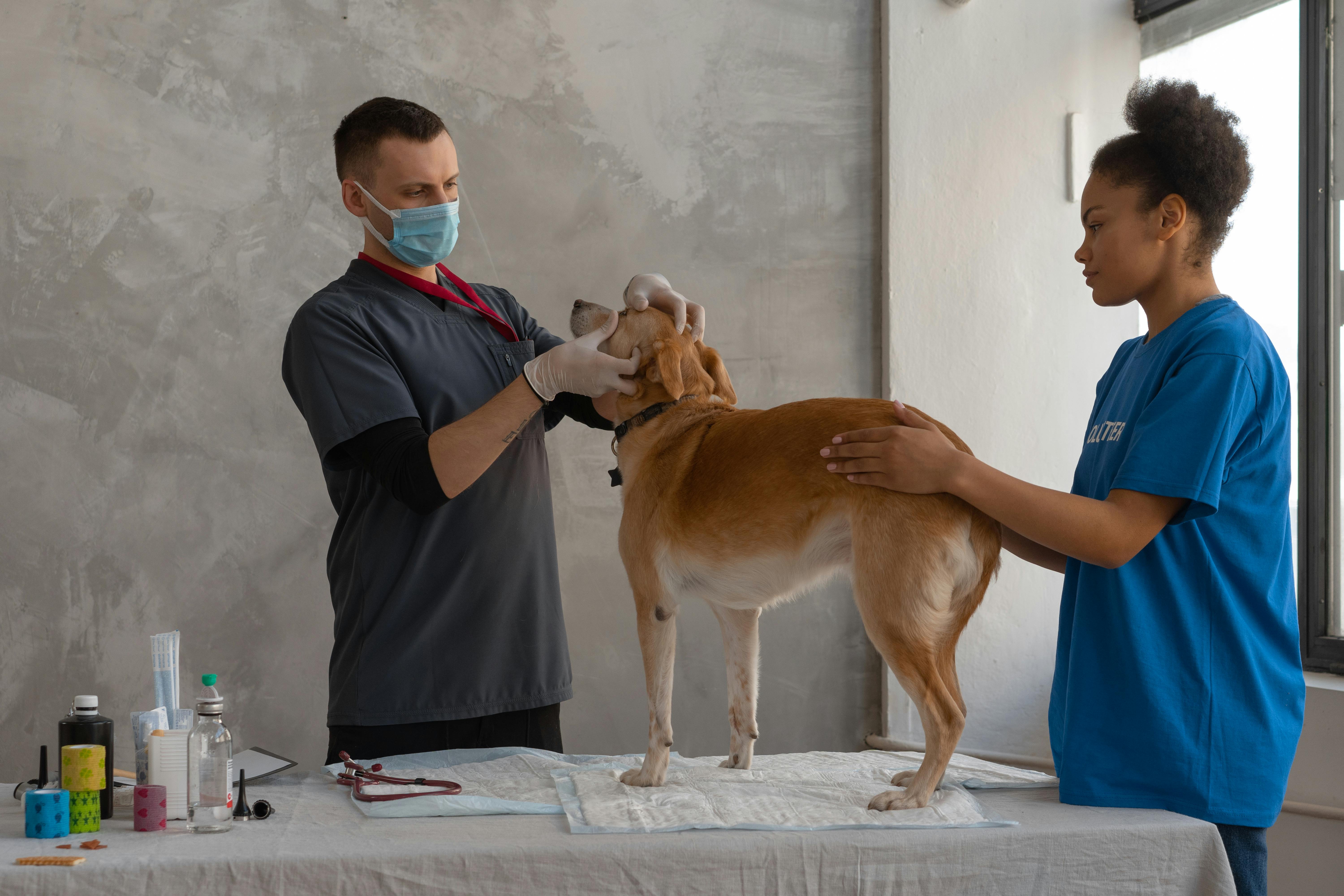
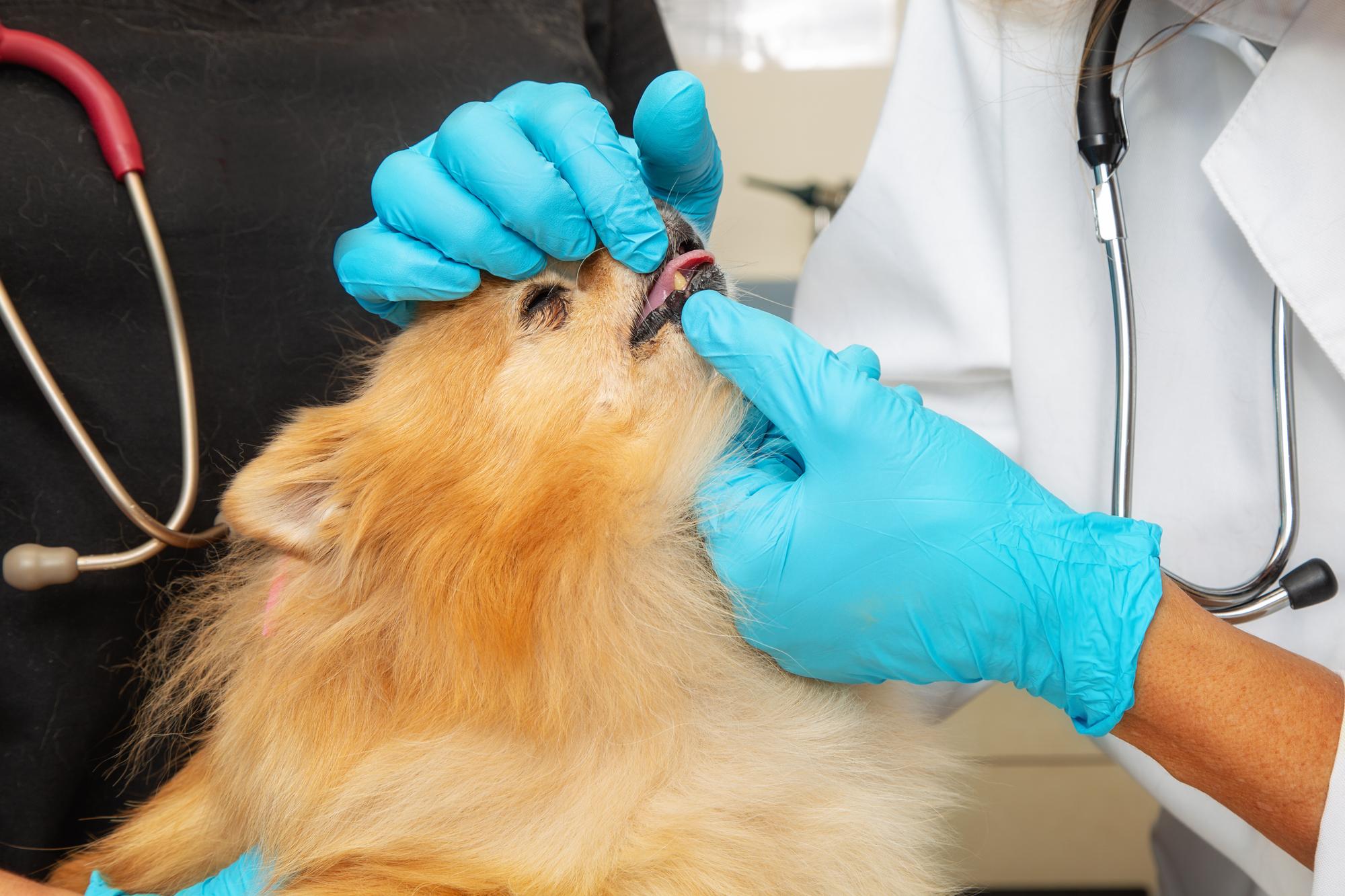
When home care is not enough to resolve your dog’s breath issues, professional veterinary treatment is important for both comfort and health. At Merrill Animal Clinic, our veterinarians start with a thorough oral examination to assess your dog’s teeth, gums, and overall mouth health. If dental disease is suspected, we may recommend pet dental cleanings under anesthesia, which allow us to safely remove plaque and tartar from both above and below the gumline. This process not only freshens your dog’s breath but also helps prevent tooth loss and systemic health issues.
For pets with more advanced dental problems, treatment options may involve dental repair to address damaged or loose teeth, oral surgery for abscesses or tumors, or tooth extractions for teeth that cannot be saved. In some cases, we use dental radiography to identify hidden problems below the gumline that are not visible on routine exam. Addressing these issues early can dramatically improve your dog’s quality of life and restore that lovable, fresh breath.
If your pet’s breath is caused by an underlying health condition, such as diabetes or kidney disease, our veterinary professionals will work with you to develop a comprehensive management plan. This may involve bloodwork, dietary changes, or additional treatments to address the root cause of the odor.
Preventing Bad Dog Breath at Home
The best way to keep dog breath at bay is a consistent home dental care routine. Brushing your dog’s teeth several times a week with a pet-safe toothpaste is one of the most effective ways to remove plaque before it hardens into tartar. Starting this habit early in your dog’s life can make it easier for both you and your pet, but even older dogs can adjust to tooth brushing over time. Dental chews, water additives, and specially designed toys can help reduce plaque buildup, although they are not a substitute for brushing or professional cleanings.
Regular examination of your dog’s mouth at home is just as important. Look for signs of redness, swelling, loose teeth, or unusual odors. Feeding a balanced diet and avoiding table scraps or access to garbage can help prevent breath issues related to diet. Scheduling annual dental checkups with our veterinarians is a proactive way to catch early signs of dental disease before they become serious. Our dental health services include preventive cleanings and guidance on the best dental care products for your pet’s unique needs.
When to See a Veterinarian About Dog Breath
While mild, occasional bad breath in dogs is usually nothing to worry about, there are times when professional care is absolutely necessary. If your dog’s breath suddenly becomes extremely foul, or if you notice it is accompanied by symptoms such as drooling, bleeding gums, difficulty eating, or changes in behavior, it is time to schedule a veterinary visit. Additional red flags include visible swelling in or around the mouth, tooth loss, or breath that smells sweet, fruity, or like ammonia. These symptoms may indicate a more serious dental or systemic health issue that needs prompt diagnosis and treatment.
At Merrill Animal Clinic, our veterinary team is committed to thorough diagnostics and compassionate care. Our location on 7530 Merrill Road, Jacksonville, FL 32277 makes it easy for local pet owners to access high-quality dental and preventive care. Early intervention not only addresses the immediate issue of bad breath but also helps protect your dog’s long-term wellbeing.
Keeping Jacksonville’s Dogs Smiling: Next Steps for Fresher Breath
Dog breath does not have to come between you and your pet’s affection. By recognizing the signs of dental trouble, understanding the causes, and committing to regular home care, you can help your dog enjoy a healthy, happy mouth for years to come. Our veterinary professionals at Merrill Animal Clinic are always here to support you with advanced pet dental cleanings, expert diagnostics, and personalized guidance for optimal oral health.
If you are searching for a “vet near me” you can trust for comprehensive dental care, look no further than our experienced team. Schedule an appointment today by calling (904) 744-7206, or visit us at 7530 Merrill Road, Jacksonville, FL 32277. Let us help you tackle dog breath and keep those Jacksonville smiles bright.
This blog is intended for educational purposes only and should not replace individualized veterinary advice. If your dog is experiencing severe symptoms or you are concerned about their health, please contact our team of veterinarians for an assessment.