Winter Grooming Tips for Jacksonville Dogs and Cats


Winter Grooming Tips for Jacksonville Dogs and Cats
As winter arrives in Jacksonville, many pet owners wonder how to keep their dogs and cats looking and feeling their best, even during Florida’s mildest months. While we may not face snow or deep freezes, our pets still benefit from seasonal grooming adjustments to maintain a healthy coat, minimize shedding, and prevent matting. At Merrill Animal Clinic, located at 7530 Merrill Road, Jacksonville, FL 32277, we understand that grooming is about more than appearance; it plays a crucial role in your pet’s overall health. In this guide, we’ll share essential winter grooming tips specifically suited for Jacksonville’s climate, help you identify when your pet may need extra attention, and explain how our veterinary team can support you with professional care whenever needed.
Whether you’re managing a fluffy golden retriever, a short-haired tabby, or anything in between, you’ll find practical advice to keep your pet’s coat in top shape this season. We’ll discuss the signs that your pet’s grooming needs attention, explore the causes behind common winter coat issues, and provide guidance on both home care and when to seek veterinary help. If you’re interested in a more thorough evaluation of your pet’s skin and coat health, a wellness examination at Merrill Animal Clinic can help catch issues before they become more serious.
Recognizing When Your Pet Needs Winter Grooming Attention
Even though Jacksonville winters are generally mild, seasonal changes can still affect your pet’s skin and coat. It’s important to recognize when extra grooming is needed, especially as lower humidity and cooler temperatures arrive. Signs that your dog or cat may benefit from additional grooming include an increase in shedding that leaves hair on furniture and clothing, visible mats or tangles in longer coats, and patches of dry, flaky skin. You may also notice that your pet seems itchy, spends more time scratching or licking, or avoids being brushed altogether. For some pets, subtle changes like a dull or greasy appearance to the coat or an unpleasant odor can indicate it’s time for a grooming refresh.
In cats, watch for clumps of hair that your cat cannot untangle themselves, particularly along the back or under the legs. For dogs, signs like dirt accumulation around the paws, under the belly, or near the tail are common, especially after outdoor walks in damp winter grass. If your pet is shedding excessively despite regular brushing, or if you notice red, irritated skin beneath the fur, a more thorough grooming routine—or professional help—may be needed.
Why Winter Grooming Matters in Jacksonville’s Climate
Jacksonville’s winter weather is characterized by cooler temperatures, lower humidity, and occasional dampness from rain. Even though we’re spared from freezing conditions, these changes can still impact your pet’s skin and coat health. Lower humidity can dry out the skin, leading to flakiness and itchiness, while damp days can make it easier for dirt and allergens to accumulate in your pet’s coat. Indoor heating, even if used sparingly, can also contribute to dry skin and static in your pet’s fur.
For dogs and cats that spend time outdoors, the seasonal drop in temperature can lead to changes in shedding patterns. Some pets experience a second, lighter shedding cycle in winter, which can increase the amount of loose hair around your home. Additionally, with less frequent bathing or outdoor play, oils and debris can build up on the skin, making regular grooming even more important for comfort and health.
Long-haired breeds may suffer more from matting in the winter, as their undercoats thicken and trap moisture or debris. Short-haired pets are not immune to problems; they may develop dandruff or dry skin that is easily overlooked. For all pets, keeping the coat clean and untangled supports natural insulation and protects the skin underneath.
Effective Grooming and Management Strategies
A thoughtful grooming routine during winter helps prevent common seasonal problems and keeps your pet comfortable. For most dogs and cats, regular brushing is the cornerstone of winter coat care. Brushing removes loose hair, prevents mats from forming, and distributes natural oils, giving the coat a healthy shine. Depending on your pet’s coat type, you may need to brush daily or a few times a week; long-haired breeds, in particular, need more frequent attention to prevent tangles and mats.
Bathing is still important in winter, but it’s best not to overdo it. Washing your pet too often can strip away protective oils and exacerbate dry or flaky skin. When you do bathe your dog or cat, use lukewarm water and a gentle, species-appropriate shampoo. Always dry your pet thoroughly, especially on cool days, to prevent them from feeling chilled. For pets that dislike water, waterless grooming products or wipes can be a helpful alternative.
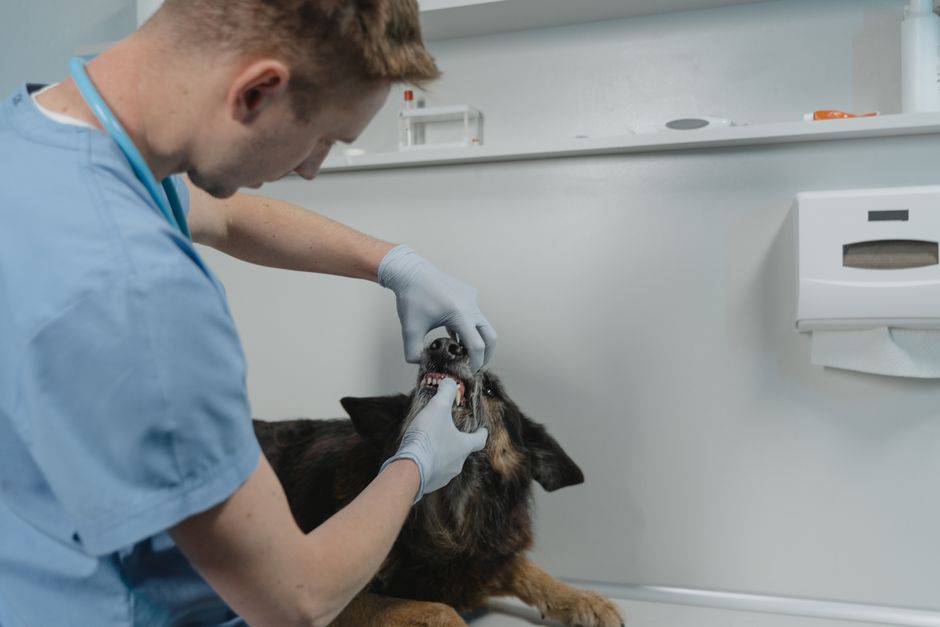
Trimming your pet’s nails is also crucial, as less outdoor activity in winter can lead to nails growing longer than usual. Regularly check ears and teeth as part of your grooming routine, since changes in humidity and temperature can sometimes trigger ear infections or oral discomfort. If you find mats that are too tight or close to the skin, never attempt to cut them out with scissors; seek professional help to avoid accidental injury.
At Merrill Animal Clinic, we offer comprehensive grooming guidance as part of our wellness examinations and can provide recommendations for professional groomers in the Jacksonville area if your pet needs specialized care.
Managing Shedding and Preventing Matting
Shedding is a natural part of your pet’s hair growth cycle. In winter, you may notice shedding increase as your pet’s coat adjusts to the cooler air. Regular brushing is the best way to manage loose hair, reduce shedding around the home, and prevent mats from forming. For cats, brushing not only prevents mats but also helps reduce the risk of hairballs, which can become more frequent when cats groom themselves more in dry winter air.
Mats can develop quickly in long-haired pets, especially in areas where friction occurs, such as behind the ears, under the collar, or along the belly. Signs of matting include clumps of hair that feel dense or hard to the touch, and in severe cases, mats can pull on the skin, causing discomfort or even infection. Using a wide-toothed comb or a de-matting tool designed for pets can help gently work out tangles. Never try to cut mats with household scissors, as the risk of injuring your pet’s skin is high.
If you’re struggling to manage your pet’s shedding or matting at home, our veterinary team can assess your pet’s coat and skin health and provide tailored recommendations. Sometimes, underlying health issues such as allergies or nutritional deficits can contribute to excessive shedding or skin problems. A wellness examination at our clinic is a great way to rule out these concerns and get expert advice.
Home Care Tips for Healthy Winter Coats
Supporting your pet’s skin and coat health at home goes beyond the brush. Nutrition plays a key role in maintaining a soft, shiny coat and resilient skin. Feeding your pet a balanced diet that includes essential fatty acids helps prevent dryness and excessive shedding, especially during the winter months. If you’re unsure whether your pet’s food is supporting optimal coat health, our team offers nutritional counselling to help you choose the best options.
Keep your pet’s sleeping area clean and dry, as damp bedding can contribute to skin irritations or odors. For pets that spend time outdoors, provide shelter from wind and rain, and always dry your pet thoroughly when they come in from wet weather. Regularly check for fleas or ticks, as these parasites are still active during mild Jacksonville winters and can cause significant skin problems.
Hydration is often overlooked in winter. Even when it’s cool outside, pets still need plenty of fresh water to keep their skin hydrated and support healthy shedding. Encourage your pet to drink by providing clean water in multiple locations and refreshing it regularly.
For cats, especially those with long hair, consider adding extra scratching posts or self-grooming brushes to encourage natural grooming behavior. For dogs, regular walks and gentle play help promote circulation and overall skin health.
When to Schedule Professional Veterinary Care
While many winter grooming needs can be managed at home, there are times when professional veterinary care is essential. Schedule a visit to Merrill Animal Clinic if you notice persistent skin irritation, redness, swelling, or sores that do not improve with home care. Excessive scratching, hair loss, or sudden changes in coat texture can signal underlying health issues that require medical attention.
If your pet develops severe mats that cannot be safely removed at home, or if you find wounds or signs of infection beneath the fur, contact our veterinary team promptly. Pets that show signs of pain when being brushed, or that become withdrawn or irritable during grooming, may be experiencing discomfort that needs to be addressed.
Routine wellness examinations are an excellent opportunity for our veterinarians to assess your pet’s skin and coat, discuss grooming techniques, and recommend any necessary treatments. In some cases, underlying conditions such as allergies, hormonal imbalances, or nutritional deficiencies may be contributing to skin and coat problems; professional evaluation ensures that these issues are identified and treated appropriately.
Keeping Your Pet Looking and Feeling Their Best All Winter
Winter grooming for Jacksonville dogs and cats is about maintaining comfort, supporting health, and strengthening the bond you share with your pet. By staying attentive to changes in your pet’s coat, practicing regular home care, and reaching out for professional support when needed, you can help your pet thrive throughout the season.
If you’re searching for a veterinarian near me who understands the unique needs of pets in Jacksonville’s climate, Merrill Animal Clinic is here for you. Our experienced veterinary team is dedicated to providing personalized care, from routine grooming advice to comprehensive medical support. To schedule a grooming consultation or a wellness examination, contact us at (904) 744-7206 or use our convenient online appointment request form. We look forward to helping your pet stay healthy, happy, and beautifully groomed all winter long.
For more information on pet grooming and seasonal care, visit trusted resources like the American Veterinary Medical Association. Remember, every pet is unique; always consult with your veterinarian for advice tailored to your individual dog or cat.