How To Protect Pets From Heatstroke In Jacksonville Summers


How To Protect Pets From Heatstroke In Jacksonville Summers
As Jacksonville’s summer temperatures climb and humidity soars, it’s only natural for pet owners to worry about their furry companions’ comfort and safety. At Merrill Animal Clinic, located at 7530 Merrill Road, Jacksonville, FL 32277, we understand how quickly the Florida heat can become dangerous for dogs and cats. Heatstroke is a real and potentially life-threatening emergency, especially during those sweltering June afternoons when the pavement scorches and the air hardly cools at night.
In this guide, we’ll help you recognize the signs of heatstroke in pets, explain why it happens, and walk you through the steps to take if you suspect your dog or cat is overheating. You’ll also learn practical strategies to prevent heat-related emergencies, so you and your pets can enjoy Jacksonville’s sunny season safely. Whether you’re planning park adventures or simply want peace of mind during daily walks, our team of veterinarians is here to support your pet’s health every step of the way. For those looking to make preventive care part of their summer routine, consider scheduling a wellness examination to ensure your pet is ready for the season ahead.
Recognizing Heatstroke in Jacksonville Pets
Spotting heatstroke early is crucial to protecting your dog or cat from serious harm. Because pets cannot regulate their body temperature as efficiently as humans, they are more vulnerable to overheating, especially in Jacksonville’s humid climate.
Common Signs of Heatstroke in Dogs and Cats
Heatstroke often develops with very little warning. The earliest symptoms include excessive panting and drooling, which may progress to obvious discomfort or restlessness. As the condition worsens, pets might display rapid heartbeat, bright red gums, vomiting, diarrhea, confusion, staggering, or even collapse. In some instances, cats may become lethargic and refuse to move, while dogs might seek shade but still seem unable to cool down.
It’s important to remember that brachycephalic breeds (such as Bulldogs, Pugs, and Persian cats), elderly pets, very young animals, and those with chronic health issues are especially at risk. If your pet is panting heavily, seems weak, or is acting strangely after being outdoors, these could be warning signs that require immediate attention.
Why Pets Are at Risk: The Causes of Heatstroke
Understanding why heatstroke happens can help pet owners make better decisions during Jacksonville’s hottest months. Unlike people, dogs and cats rely mainly on panting and a small amount of sweating through their paw pads to regulate body temperature. When humidity is high, panting becomes less effective, and the risk of overheating increases quickly.
Environmental and Lifestyle Factors
Heatstroke can occur when pets are left in parked cars, even for a few minutes, as the temperature inside a vehicle can rise rapidly beyond safe levels. Outdoor activities during peak sun hours, lack of access to shade or fresh water, and excessive exercise can all contribute to the problem. Even short walks on hot pavement can lead to overheating and burned paw pads. For indoor pets, poor ventilation and high indoor temperatures may also cause problems, particularly in homes without air conditioning.
Certain medical conditions, such as heart disease, obesity, or respiratory disorders, can make pets more susceptible to heatstroke. Knowing your pet’s individual risk factors will help you stay vigilant during the summer.
How Veterinarians Treat Heatstroke in Pets
If you suspect your pet is suffering from heatstroke, prompt veterinary care is essential. The first step is always to move your pet to a cool, shaded area and offer small amounts of water. However, professional intervention is usually necessary to prevent organ damage and improve your pet’s chances of recovery.
What to Expect at Merrill Animal Clinic
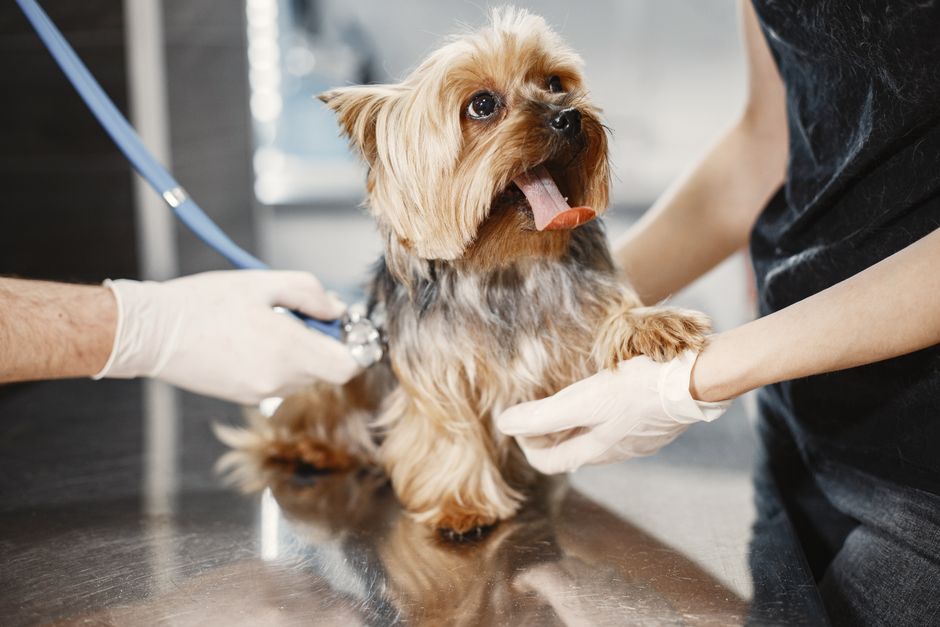
Our veterinary team will immediately assess your pet’s temperature, heart rate, and breathing. Treatment may involve intravenous fluids to combat dehydration, oxygen therapy, and careful cooling measures. In severe cases, medications to protect internal organs and manage complications like seizures or shock may be required. Diagnostic tests such as bloodwork and monitoring of organ function help guide further treatment and recovery.
It’s important to note that some pets may need to be hospitalized for ongoing care and observation, especially if heatstroke was severe. Early intervention greatly increases the likelihood of a full recovery, so do not delay seeking help if your pet shows symptoms.
Preventing Heatstroke: Keeping Pets Safe During Jacksonville Summers
The best way to protect your pet from heatstroke is through prevention. By making a few adjustments to your routine and environment, you can help ensure your dog or cat stays cool and comfortable all summer long.
Practical Tips for Pet Owners
Always provide fresh, cool water and access to shaded areas when your pet is outside. On especially hot or humid days, limit walks and outdoor play to early mornings or late evenings when temperatures are lower. Never leave pets unattended in vehicles, even with windows cracked, as the temperature can become deadly in minutes.
For dogs who love to exercise, adjust the intensity and duration of physical activity and avoid pavement that may be too hot for sensitive paws. Consider using cooling mats or vests for pets who spend time outdoors. Indoors, use fans or air conditioning to maintain a comfortable environment, and monitor indoor temperatures closely.
Regular grooming, especially for pets with thick coats, can improve heat dissipation. Discuss with your veterinarian whether a trim is appropriate for your dog or cat’s breed. Maintaining a healthy weight through nutritional counselling can also reduce your pet’s risk, as overweight animals are more prone to overheating.
When to Seek Veterinary Care for Heatstroke
Knowing when to call your veterinarian can save your pet’s life. If you observe any signs of heatstroke—such as heavy panting, drooling, vomiting, weakness, or collapse—take immediate action. Move your pet to a cool spot, offer water in small amounts, and contact your veterinary team right away.
Do not attempt to cool your pet with ice or extremely cold water, as this can cause shock. Instead, use lukewarm water or damp towels to gradually lower their body temperature while making arrangements to get them to the clinic as soon as possible.
At Merrill Animal Clinic, we recommend reaching out at the first sign of trouble. Our team of veterinarians has extensive experience managing heat-related emergencies and can provide guidance over the phone if you are unsure what to do. For after-hours emergencies, consult our emergency veterinary care information to find help when our clinic is closed.
Protecting Your Pet All Summer Long: Local Support You Can Trust
Jacksonville’s climate makes summer pet safety a top priority for responsible pet owners. By understanding the risks of heatstroke and taking proactive steps to prevent it, you can enjoy the season with confidence, knowing your furry family members are protected.
If you are searching for a veterinarian near me who truly understands the unique challenges of caring for pets in North Florida, look no further than Merrill Animal Clinic. Our team is dedicated to keeping your pets healthy year-round, with comprehensive services designed to meet every stage of your companion’s life. Whether you want to schedule a summer wellness examination, discuss safe exercise routines, or have concerns about your pet’s ability to handle the heat, we are here to help.
To book an appointment or speak with one of our veterinary professionals, call us at (904) 744-7206 or visit us at 7530 Merrill Road, Jacksonville, FL 32277. For more information about preventive care, explore our pet examinations and nutritional counselling services. Let us work together to keep your pets safe, happy, and healthy—no matter how high the temperatures rise.
This blog is intended for informational purposes only and does not replace professional veterinary advice. If you suspect your pet is experiencing heatstroke, seek immediate veterinary care.