

Dog Breath: What Causes It and How to Treat It


Dog Breath: What Causes It and How to Treat It
If you have ever cuddled with your dog only to be greeted by a less-than-pleasant whiff from their mouth, you are far from alone. At Merrill Animal Clinic, we often hear from pet owners in Jacksonville and the surrounding communities who are concerned about their dog’s breath. While a little morning breath might seem harmless, persistent dog breath can signal underlying health issues that deserve attention. In this blog, our team of veterinarians will help you understand what causes bad breath in dogs, when it could mean something serious, and how you can keep your dog’s mouth healthy and their breath fresh. We will cover the common causes of dog breath, signs to watch for, effective treatment options, practical home care, and when it is time to schedule a professional dental visit at our Jacksonville location. If you are worried about your dog’s breath, you will find actionable advice and local expertise to help you and your pet breathe easier.
Recognizing the Signs of Problematic Dog Breath
Many pet owners assume that bad breath is just “normal” for dogs, but that is not the case. Occasional mild odor after a meal or a snack is common, but breath that consistently smells foul or unusually strong often points to a deeper issue. The most common signs that your dog’s breath might be more than a minor nuisance include a persistent rotten or fishy smell, a metallic scent (which may indicate dental disease or even internal problems), drooling, pawing at the mouth, difficulty chewing, bleeding gums, or visible swelling in the mouth. Some dogs may also show changes in appetite, drop food while eating, or become irritable when their face is touched. If you notice any of these symptoms along with bad breath, your dog may be experiencing discomfort or pain that requires veterinary care.
It is also important to consider how quickly these changes develop. If your dog’s breath suddenly becomes much worse over a short period, or if it is accompanied by signs like vomiting, loss of energy, or noticeable weight loss, these can be red flags for more serious health concerns. Our veterinary team at Merrill Animal Clinic encourages you to pay close attention to your dog’s daily behavior and oral health. Noticing subtle changes early often leads to better outcomes and a happier, healthier pet.
What Causes Dog Breath?
The causes of dog breath can range from simple dietary quirks to significant health conditions. The most frequent culprit is dental disease. Plaque and tartar build up on your dog’s teeth over time, leading to bacterial growth that creates unpleasant odors. As tartar hardens and spreads below the gumline, it can cause gingivitis, periodontal disease, and infections—all of which contribute to worsening breath. Bacteria not only create bad smells but can also damage the tissues surrounding your dog’s teeth.
Beyond dental issues, other sources of dog breath include oral injuries, foreign objects stuck in the mouth, and infections. Some dogs develop breath problems after chewing on non-food items, such as toys, sticks, or bones that become lodged between the teeth or gums. Certain breeds, especially small or brachycephalic breeds (like Bulldogs and Pugs), are more prone to dental crowding and oral health issues that can worsen breath.
Systemic health problems can also play a role. Conditions such as diabetes, kidney disease, and gastrointestinal disorders may all lead to changes in your dog’s breath. For example, a sweet or fruity odor might indicate diabetes, while a strong ammonia-like smell can point to kidney problems. This is why it is so important not to ignore persistent dog breath; it may be more than just a dental issue.
Treating Bad Dog Breath: Professional Veterinary Solutions
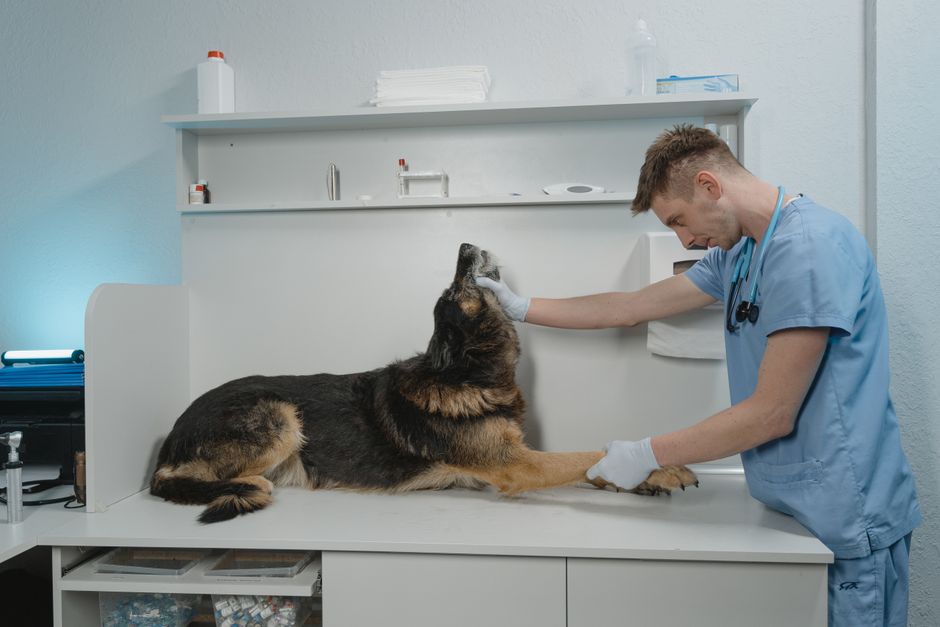
When it comes to treating bad dog breath, the first step is a thorough oral examination by your veterinarian. At Merrill Animal Clinic, our experienced team will check for dental disease, oral injuries, and other causes of odor. The foundation of effective treatment is usually a professional dental cleaning. This involves scaling away plaque and tartar from your dog’s teeth, both above and below the gumline, under anesthesia to ensure your pet’s comfort and safety. To learn more about what is involved, visit our page on pet dental cleanings.
In cases where dental disease is advanced, further steps such as pet tooth extractions or pet oral surgery may be needed. These procedures are designed to remove infected or damaged teeth and treat oral infections to restore your dog’s comfort and health. Our team uses advanced dental radiography to identify problems that are not visible to the naked eye, ensuring no hidden issues are missed.
We tailor each treatment plan to your dog’s unique needs. Some dogs may require antibiotics or pain relief medications, especially if infection or inflammation is present. If your dog’s breath is linked to a systemic problem like diabetes or kidney disease, our veterinarians will coordinate a comprehensive approach that addresses the underlying cause. Rest assured, your dog’s safety and comfort are always our top priorities throughout any dental procedure.
Home Care and Prevention: Keeping Dog Breath Fresh
While professional dental care is the cornerstone of treating serious cases, prevention is key to keeping your dog’s breath fresh over the long term. Regular home care can make a significant difference in your dog’s oral health. Brushing your dog’s teeth daily with a pet-safe toothpaste is one of the most effective ways to remove plaque and prevent tartar buildup. If your dog is not used to brushing, start slowly and reward them with praise or a favorite toy after each session.
Dental chews and special diets formulated to reduce tartar can provide additional support. Look for products approved by the Veterinary Oral Health Council, which ensures they meet standards for effectiveness. Providing safe chew toys can also encourage natural cleaning as your dog gnaws and plays.
Routine checkups with your veterinarian are crucial. During these visits, we can spot early signs of dental problems and recommend preventive measures tailored to your dog’s needs. We may suggest annual or semi-annual dental cleanings, depending on your dog’s age, breed, and oral health history. Maintaining a consistent schedule for dental care not only keeps dog breath at bay but also supports your dog’s overall health and happiness.
When Should You Seek Veterinary Help for Dog Breath?
While mild, occasional odor is usually not a cause for alarm, there are certain situations where you should call your veterinarian promptly. If your dog’s breath becomes noticeably worse, especially if it is accompanied by signs such as bleeding gums, loose teeth, visible swelling, trouble eating, or changes in behavior, professional evaluation is needed. These symptoms often indicate dental disease or infection, which can quickly progress if left untreated.
You should also seek veterinary care if your dog’s breath has a distinctly sweet, fruity, or ammonia-like odor, as these can signal systemic health problems. Persistent vomiting, sudden changes in appetite, or unexplained weight loss combined with bad breath are additional reasons to schedule an appointment.
Our veterinary professionals at Merrill Animal Clinic are here to support you every step of the way. If you are searching for a “vet near me” who understands the importance of dental health, look no further than our dedicated team in Jacksonville. Early intervention leads to better outcomes and helps prevent serious complications from developing.
Supporting Your Dog's Oral Health: A Partnership for Life
Dog breath is not just a minor annoyance; it can be a critical indicator of your pet’s overall health. By paying attention to changes in your dog’s breath, practicing good home care, and partnering with our veterinary team for regular checkups and professional dental health services, you can help your dog enjoy a fresh mouth and a healthy life.
If you have noticed persistent bad breath in your dog, do not wait for symptoms to worsen. Schedule an appointment with Merrill Animal Clinic today by calling (904) 744-7206 or visiting us at 7530 Merrill Road, Jacksonville, FL 32277. Our veterinarians are committed to providing compassionate, comprehensive care for your pet’s needs. Whether you need a thorough dental cleaning or advice on preventing dog breath at home, we are here to help your dog look, feel, and smell their best.
For more information on professional dental services and maintaining your dog’s oral health, explore our resources on pet dental cleanings and dental health. Your dog’s fresh breath is just a call or visit away.


