Dog Breath: Causes and Solutions for Jacksonville Pet Owners


Dog Breath: Causes and Solutions for Jacksonville Pet Owners
Is your dog’s breath making you wrinkle your nose every time they come in for a cuddle? Unpleasant dog breath is a common complaint among pet owners in Jacksonville and can be more than just a nuisance; it often signals underlying health concerns that deserve attention. At Merrill Animal Clinic, we understand how important it is for you to enjoy those close moments with your dog, without having to worry about persistent bad breath. In this blog, we’ll explain what causes dog breath, how to recognize when it might indicate a health issue, and the steps you can take—both at home and with our veterinary team—to help your dog enjoy fresher breath. Whether you live near 7530 Merrill Road, Jacksonville, FL 32277 or in surrounding communities, our team is here to support you with comprehensive small animal care, including dental health services for your dog.
How to Recognize Problematic Dog Breath
All dogs have some degree of natural odor to their breath, but there’s a difference between the typical “doggy breath” and an odor that signals trouble. Owners often notice a persistent, foul smell that seems to linger even after their dog has had water or food. Other warning signs that might accompany bad breath include excessive drooling, difficulty chewing, pawing at the mouth, or a sudden disinterest in favorite toys or treats. If your dog’s breath is strong enough to make you back away or if you notice any of these symptoms, it’s time to pay closer attention. Recognizing these signs early can sometimes help you address minor problems before they turn into more serious health issues.
Common Causes of Dog Breath in Jacksonville
Dog breath has many potential causes, ranging from harmless to more serious. The most common culprit by far is dental disease. Plaque and tartar build up on your dog’s teeth over time, providing a breeding ground for bacteria that produce unpleasant odors. Jacksonville’s warm and humid climate can also contribute to faster plaque accumulation, especially if your dog enjoys outdoor activities or chews on sticks and debris.
Besides dental disease, other causes of bad dog breath include poor diet, licking or eating non-food items, or gastrointestinal issues. In some cases, persistent foul breath is a sign of more serious conditions such as kidney disease, diabetes, or oral tumors. It’s important to remember that while breath mints and treats may temporarily mask the odor, they won’t address the underlying problem if there is one. Understanding why your dog’s breath smells is the first step toward finding a solution.
Why Dental Disease Is So Common
Dental disease develops when bacteria in your dog’s mouth combine with food particles to form plaque. If not removed, this hardens into tartar, leading to gum inflammation (gingivitis), infection, and eventually tooth loss. Signs of dental disease include swollen or bleeding gums, loose or missing teeth, and discomfort when eating. The bacteria involved in dental disease not only cause bad breath but can also enter the bloodstream, potentially affecting vital organs such as the heart, liver, and kidneys.
Treatment Options for Bad Dog Breath
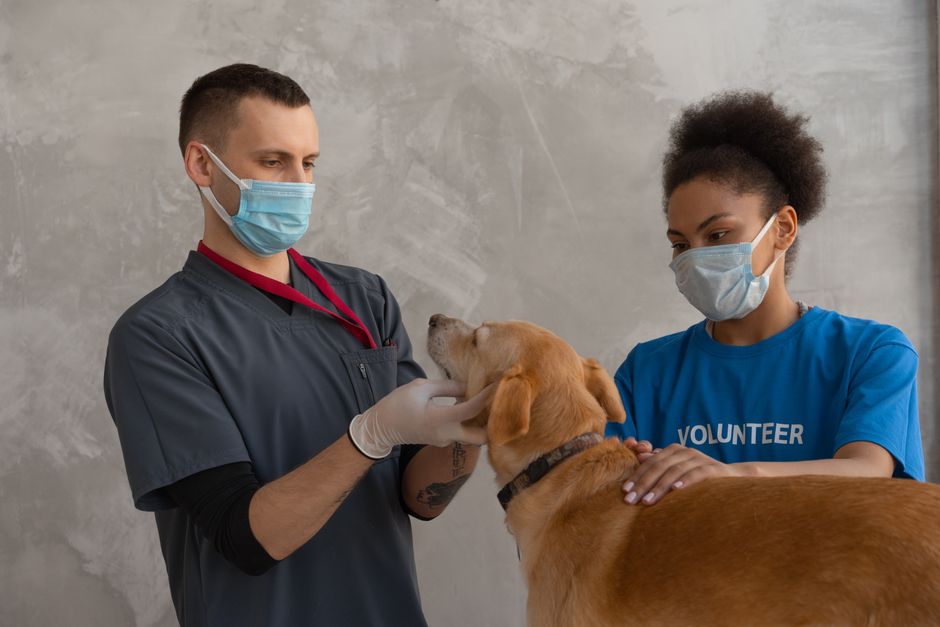
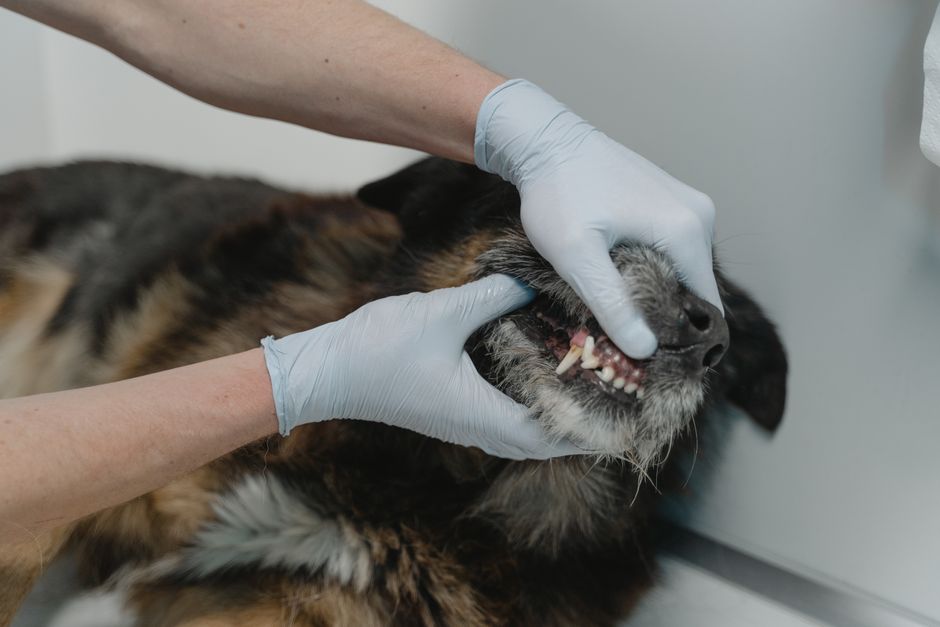
When you bring your dog to Merrill Animal Clinic for concerns about dog breath, our veterinary team will start with a thorough oral examination. This allows us to assess the health of your dog’s teeth, gums, and mouth, as well as identify any underlying issues that may be contributing to the odor. In many cases, professional cleaning is recommended to remove plaque and tartar buildup. Our pet dental cleanings are performed under anesthesia to ensure your dog’s comfort and safety while allowing for a comprehensive cleaning both above and below the gumline.
For dogs with more advanced dental problems, additional procedures such as dental repair, pet tooth extractions, or pet oral surgery may be necessary to restore oral health and eliminate sources of infection. In some cases, we use dental radiography to evaluate hidden problems beneath the gumline, such as abscesses or bone loss. If we suspect that your dog’s bad breath may be linked to a non-dental issue, such as metabolic disease, bloodwork or additional diagnostic testing may be recommended.
What to Expect During a Dental Visit
During your dog’s dental appointment, our veterinarians will review your dog’s history and perform a physical exam, checking not only the mouth but also considering overall health. We’ll discuss any symptoms you’ve noticed at home and explain the findings of our oral exam. If a cleaning or procedure is needed, we will walk you through the process, answer your questions, and provide aftercare instructions to ensure your dog recovers comfortably. Our goal is to address the cause of your dog’s bad breath and help them enjoy a pain-free, healthy mouth.
Home Care and Prevention: Keeping Your Dog’s Breath Fresh
While professional dental care is essential, there are steps you can take at home to help maintain your dog’s oral health between visits. Regular tooth brushing is one of the most effective ways to control plaque buildup and prevent bad breath. Using a pet-safe toothbrush and toothpaste, aim to brush your dog’s teeth several times a week, if not daily. Dental chews and toys designed to reduce plaque can also help, as can providing a balanced diet recommended by your veterinarian.
Inspect your dog’s mouth regularly for signs of trouble such as red gums, broken teeth, or unusual growths. Early detection of these issues can help prevent more serious problems down the road. Avoid giving your dog hard objects like bones or antlers, which can fracture teeth and lead to pain or infection. Instead, talk with our veterinary team about safe chew options that support dental health.
If you’re unsure about the best routine for your dog, or if brushing is a struggle, our veterinary professionals can demonstrate techniques and recommend products tailored to your pet’s needs. Preventive dental care is an investment in your dog’s long-term health and comfort.
When to Seek Veterinary Care for Dog Breath
Not all cases of dog breath require an immediate trip to the veterinarian, but some situations do call for prompt attention. If your dog’s breath suddenly becomes much worse, or if you notice additional symptoms such as bleeding from the mouth, difficulty eating, swelling of the face, or dramatic changes in thirst and urination, it’s important to schedule an appointment as soon as possible. These could be signs of infections, dental abscesses, or systemic illness that require timely intervention.
Even if your dog seems otherwise healthy, persistent bad breath that does not improve with home care should always be evaluated by a veterinarian. Regular pet examinations are the best way to catch dental and medical problems early, before they become more difficult—and costly—to treat. Our team at Merrill Animal Clinic encourages you to bring up any concerns about your dog’s breath during your next visit so we can work together to keep your companion healthy and comfortable.
Supporting Jacksonville Pet Owners with Dental Health
At Merrill Animal Clinic, we are committed to helping Jacksonville pet owners enjoy every moment with their dogs—without worrying about unpleasant dog breath. Our experienced veterinarians provide a full range of dental services, from preventive cleanings to advanced surgical care, all designed to support your dog’s comfort and well-being. If you are searching for a "vet near me" who prioritizes gentle, thorough dental care, we invite you to schedule an appointment with our veterinary team.
Fresh breath is a sign of good health, and your dog deserves to feel their best. To learn more about our dental health services or to schedule a dental evaluation, call Merrill Animal Clinic at (904) 744-7206 or visit us at 7530 Merrill Road, Jacksonville, FL 32277. Our veterinary professionals are here to answer your questions and help your dog enjoy a healthier, happier life—one breath at a time.
This blog is intended for informational purposes only and should not replace professional veterinary advice. If your dog is experiencing persistent bad breath or other concerning symptoms, please contact your veterinarian for a thorough evaluation.